

Strandzha is a mountain wrapped in mystery. It sits on the Bulgarian-Turkish border, about 120 km from Sofia and roughly 280 km from Burgas. From the seaside resorts, you can reach Strandzha in 3–4 hours by car. You won’t find a wilder spot in Bulgaria. Its paths barely weave through thick vegetation. It’s easy to lose your way. In Strandzha, nature rules, not man. Everything here shows its full power and untamed beauty. Strandzha also hides history. The oldest artifact from the Roussokastro fortress is an inscription from the early Byzantine period, 6th century. The mountain preserves the memory of ancient civilizations among its centuries-old forests.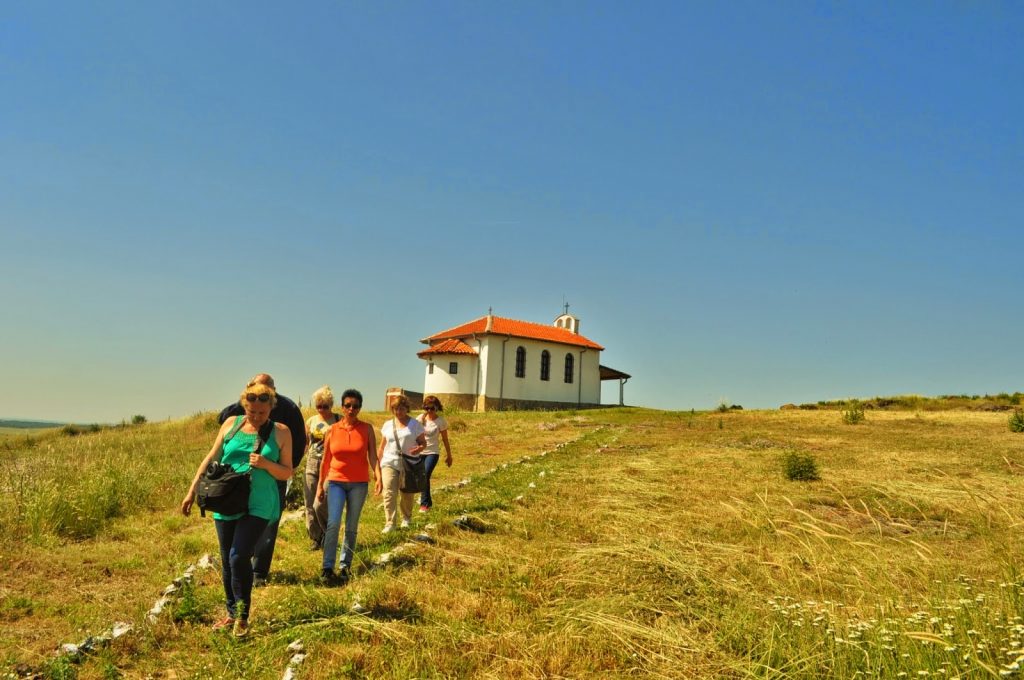
Strandzha today – rare plants and wild nature
The Ice Age covered vast parts of Europe, including Bulgaria. But Strandzha seems to have escaped it. The mountain still hosts dozens of archaic plant species – remnants of a lost world. Walking through Strandzha’s oak and fir forests, you can find plants that grow nowhere else on Earth. Visiting Strandzha gives a sense of what Europe looked like before the last Ice Age.
Strandzha draws adventurers. Here, you escape standard vacations and the chaos of modern life. Wild, beautiful, mystical – Strandzha waits for everyone who seeks something different.
Discover the most mystical corners of Strandzha. Wander through its forests, hidden paths, and ancient ruins. Subtitles available in English.
Stranzha mountain is full of mysticism
What we know best is the Black Sea coastline of this mountain. Settlements like Sinemorets, Varvara, Tsarevo and Lozenets welcome throngs of tourists in summer. However, few decide to take to the inner parts of the mountain. Those that do may come across surprising finds, such as megaliths, enshrouded by times gone by, or mysterious sanctuaries. Some of them now serve as tourist attractions. Most, however, still wait for travelers to discover them, crossing dense forests and vast sun-scorched meadows.
A steep path rambles across the mountain, past the remains of the Rusokastro Roman fortress. It takes us straight to the Ruskina Dupka cave. Back in the 5th century BC it have been a Thracian sanctuary. Locals talk of the miraculous properties of the spring inside.
The recently overhauled Sveti Georgi Pobedonosets (St. George the Victor) church rises nearby. And there one can take time to light a candle and pray. In Strandja, it is so easy to forget civilization and find yourself in another dimension. Unsolved mysteries from the past await visitors all over this mountain.
Beglik Tash sanctuary
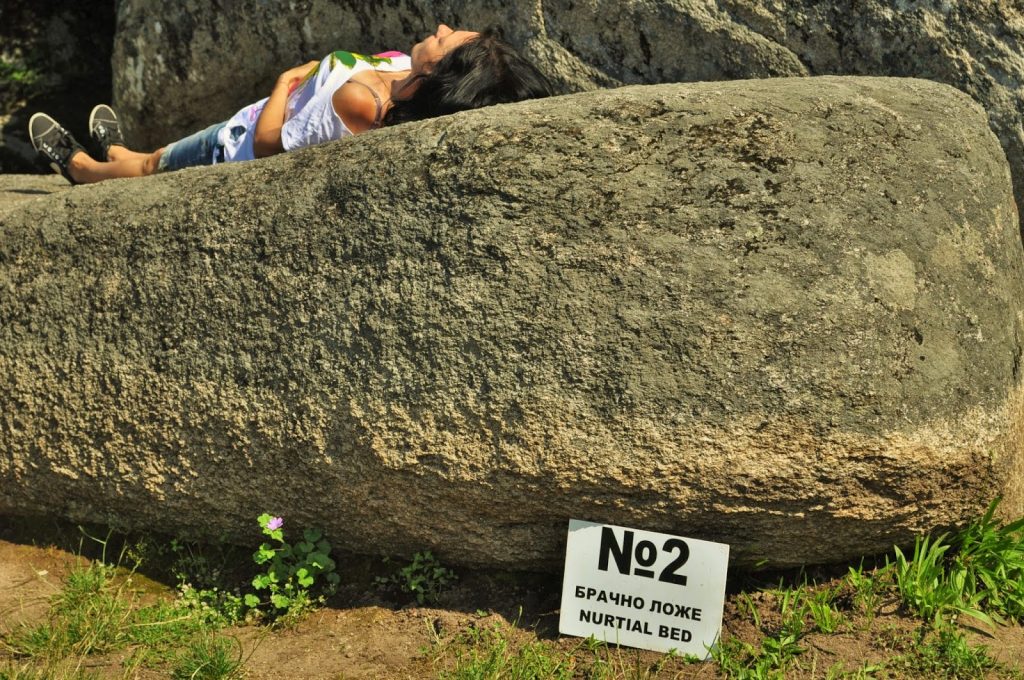
The megalithic Thracian sanctuary of Beglik Tash is a good spot for meditation at sunrise, a place to get in touch with the past. And it is only 5 – 10 km away from the seaside hotels area. The gigantic construction of stone blocks is the work of ancient masters, who have cut circles, vats, stairs into the rock with astounding precision…
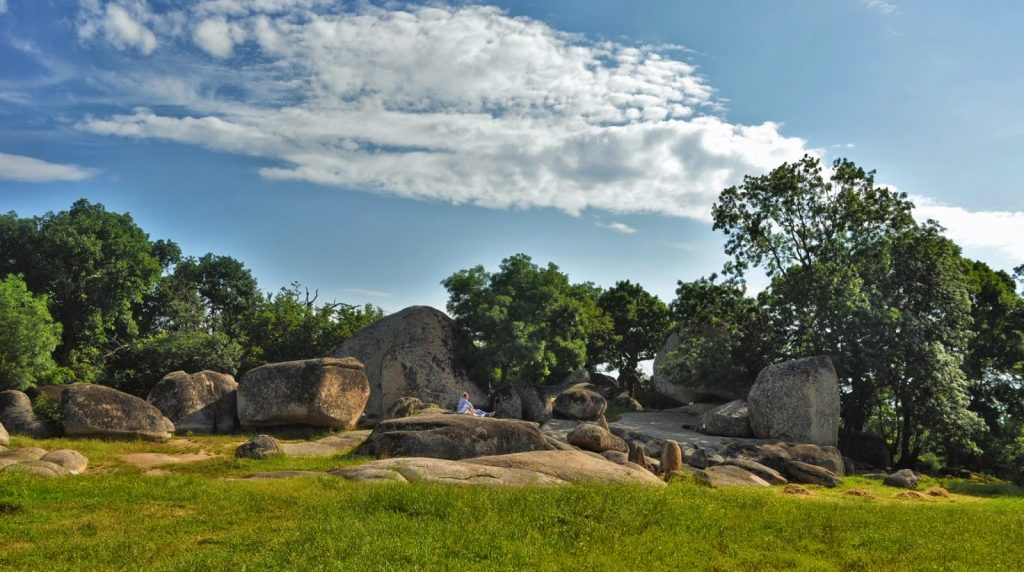
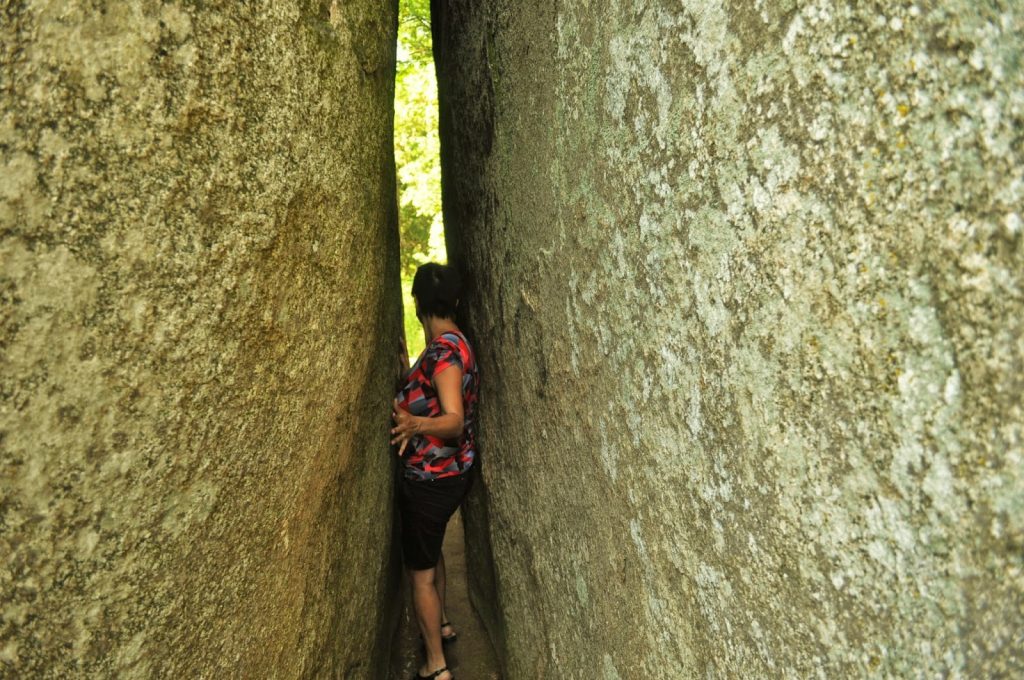
Someone has somehow managed to move and arrange these rocks, weighing dozens of tons, into strange configurations. The throne of the head priest is located in front of the entrance to the sanctuary and there most tourists hurry to take photos. Experts say that the temple was used in the course of 2,000 years but its activities were most likely put an end to in the 5th century with the spreading of Christianity across these lands.
Cult complex Mishkova niva
There is one more fantastic megalithic structure in Strandzha’s wilderness that is accessible only by an off road vehicle, or on foot and not without help from an experienced guide. Hundreds of tourists visit the locality called Mishkova Niva each year, even though it is so remote. There is an impressive cult complex there – the tomb of a high-ranking priest, later used as a sanctuary of Phoebus, or god Apollo. It is thought to have been the mausoleum of a notable Thracian ruler in the period 5th – 3rd century BC.
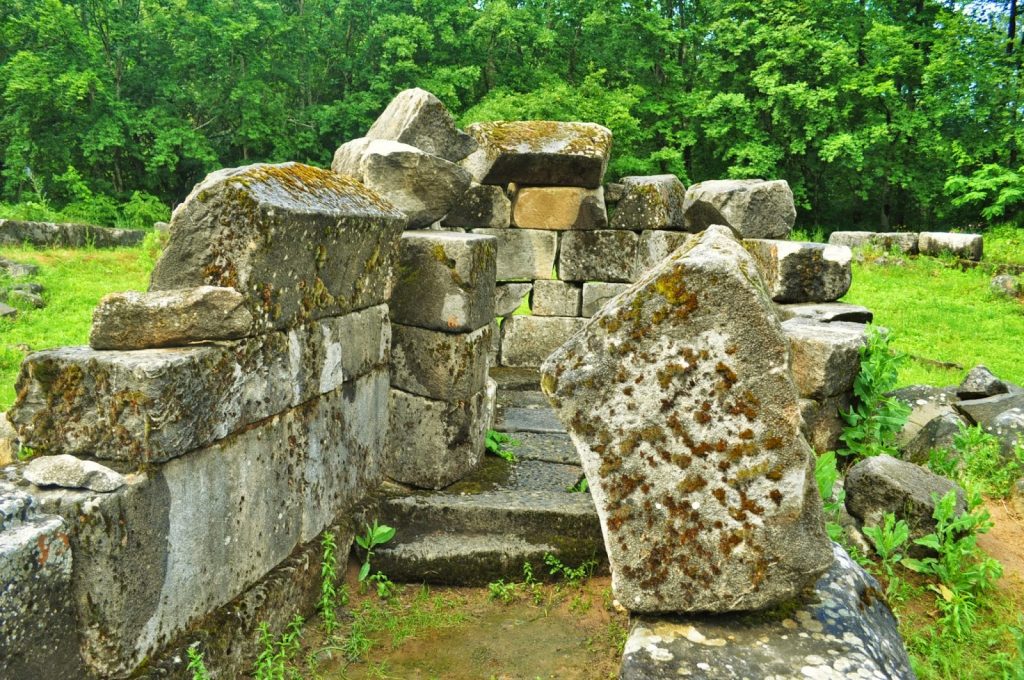
According to researchers, the complex was used from the middle of the 2nd millennium BC until late Antiquity. However, what attracts mystery fans most are the archaeological excavations at the foot of Gradishte peak. Rumors and legends have it that this could be the mysterious tomb of the Egyptian goddess Bastet, who cast her spell and even sent death to some of the members of the 1981 archaeological expedition that had dared disturb her peace…
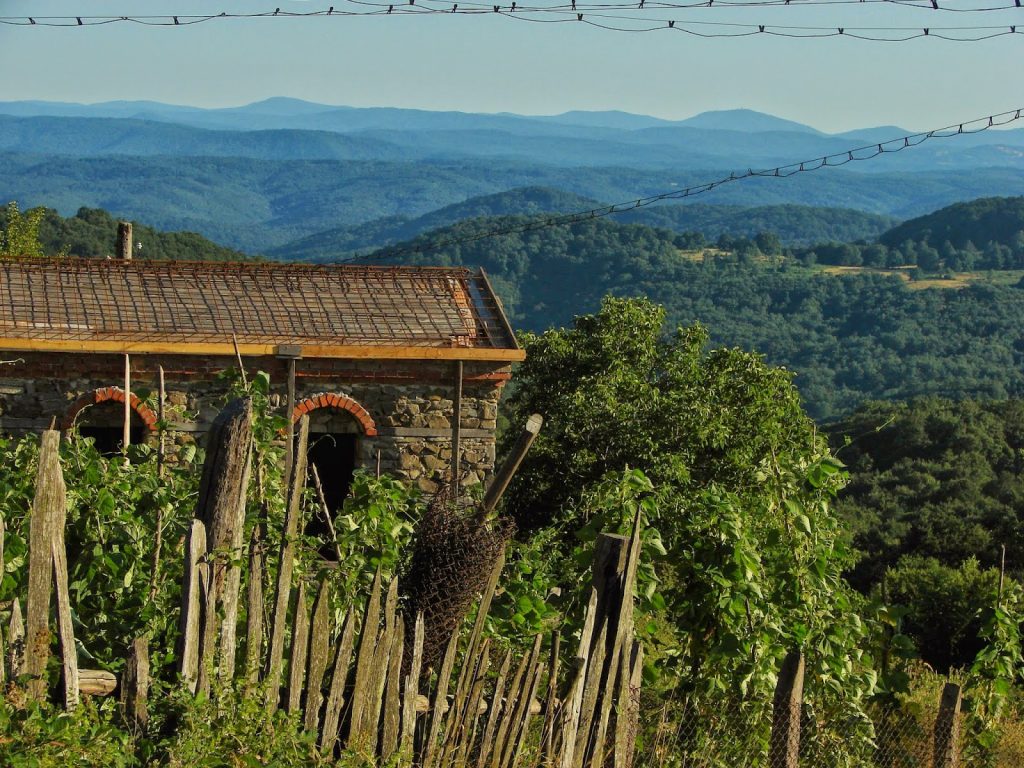
Along Veleka and Ropotamo Rivers
But Strandzha is more than mysticism and history. It takes your breath away with the fragrance of wild herbs, the twitter of birds and its century-old forests, where small and big rivers flow.
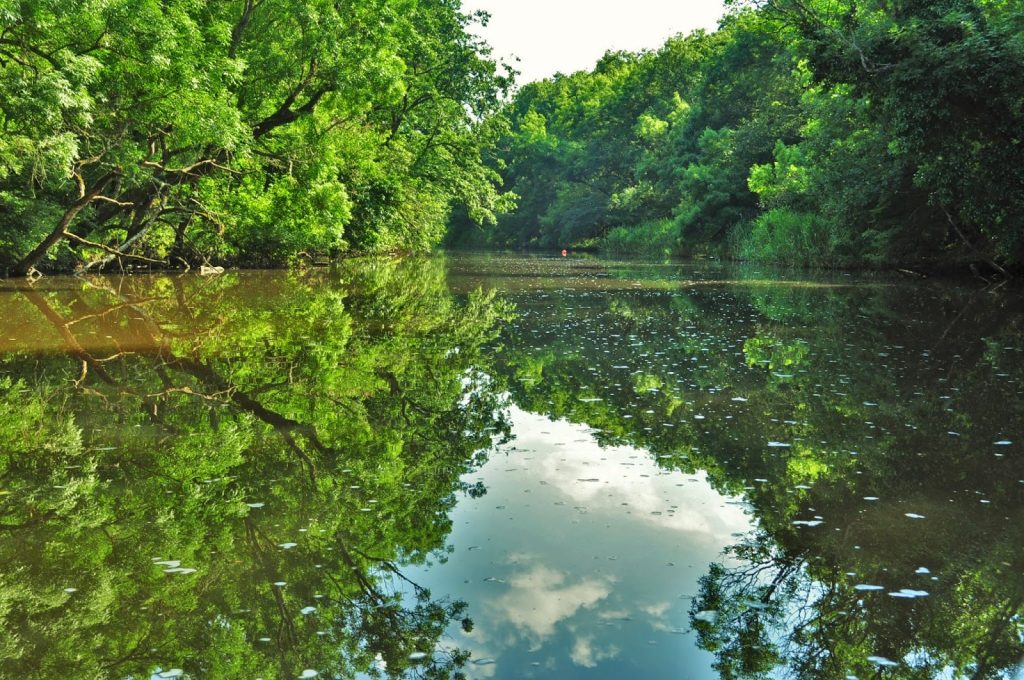
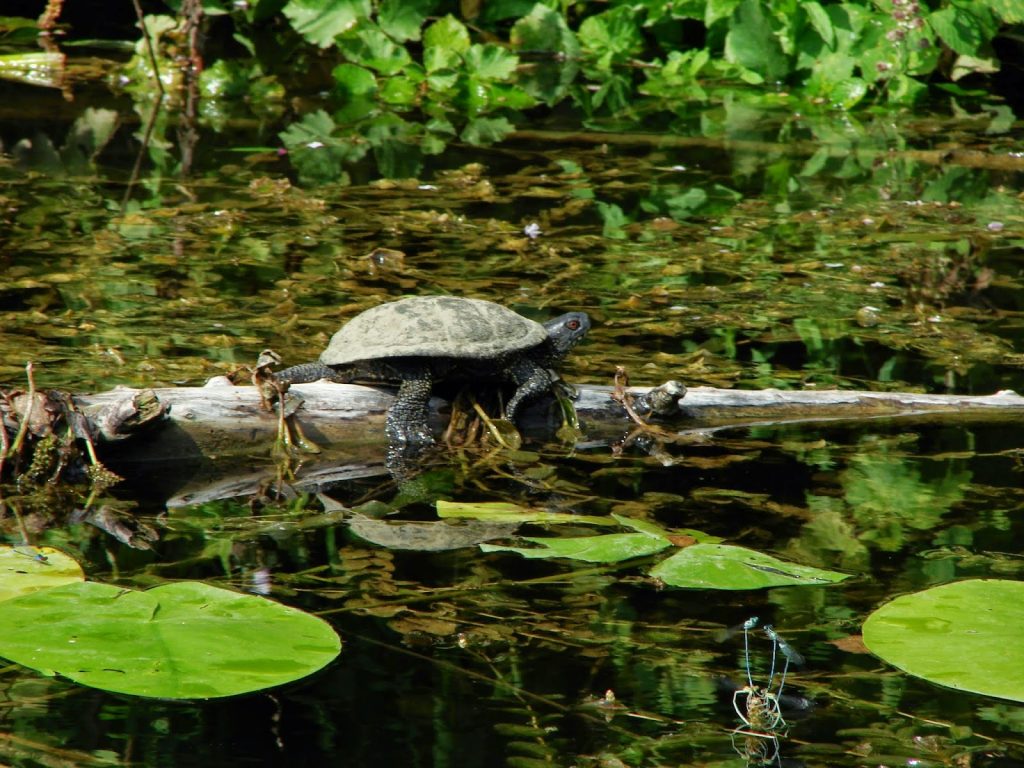
Veleka and Ropotamo are the rivers that attract tourists most – sailing along them one can see turtles, dragonflies and numerous riverside creatures, as well as liana-like vegetation, so untypical of our latitudes. In autumn it is a good idea to visit the Poda environmental centre near Burgas, where more than 250 bird species stop by to take a rest and to pose for the tourists’ cameras.
Welcome to Poda center near Burgas
“Over 300,000 migrating storks pass through each season – nearly the entire European population of white storks!” explains Yana Gocheva from the Bulgarian Society for the Protection of Birds. “We also have many pelicans and birds of prey. In April and again in autumn, the sky here turns black with birds. This lake complex near Burgas acts as an oasis along their migration route, which is why authorities protect it as part of the Natura 2000 European network.”

Besides for birds and animals, Strandzha and its ancient sanctuaries and shady forests is also a heaven for everyone in search of peace and harmony. The mountain invites you to discover more of its wild beauty, enshrouded in secrets and mysticism…