

The region around the town of Petrich in Bulgaria hides a treasure trove of fascinating landmarks. This area, rich in history and natural beauty, invites travelers to explore its ancient ruins, mystical sites, and captivating stories. Join me as I take you on a journey through some of the most remarkable attractions in this corner of Bulgaria, where history and nature come together in perfect harmony.
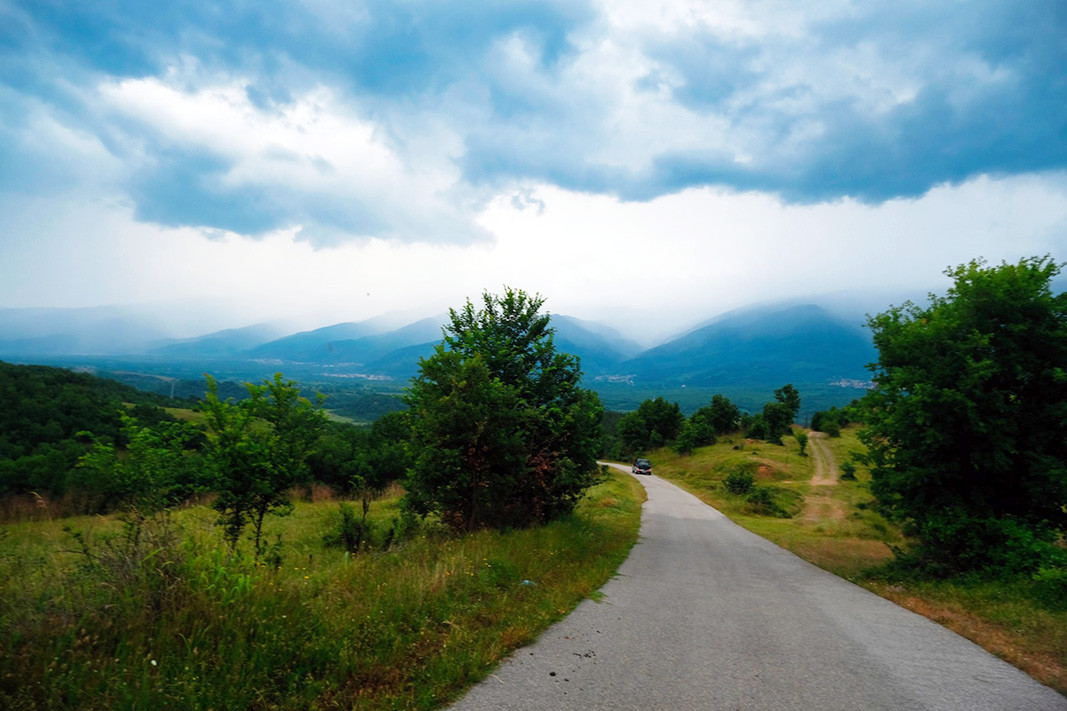
Petrich lies nestled at the foot of some of Bulgaria’s most beautiful and untouched mountains – Ograzhden and Belasitsa. This southwestern region has been inhabited since ancient times, as evidenced by numerous archaeological findings. During the Middle Ages, it played a crucial role in shaping the fate of the First Bulgarian Empire.
How to get to Petrich and where to stay
Getting to Petrich is very easy by car or train. Moreover, the town serves as an ideal base for your trip. You will find many great places to stay here. Also, staying in the center allows you to see everything at a relaxed pace. Specifically, you can enjoy local food and hospitality every day.
Ograzhden Mountain and Samuil’s Fortress
Just 15 km from Petrich, near the border with North Macedonia, stands the historic Samuil’s Fortress. Actually, the site was built between 1009 and 1013 during the reign of Tsar Samuil. Specifically, this place is tied to one of the most tragic moments in Bulgarian history. In 1014, during the Battle of Kleidion, Tsar Samuil’s army suffered a devastating defeat. Later the Byzantine Emperor Basil II captured and blinded 15,000 Bulgarian soldiers. The sight of his blinded troops caused Tsar Samuil to collapse and die of a heart attack.

Today, Samuil’s Fortress is a restored national park-museum. Initially, visitors pass through a picturesque park where they can explore replicas of medieval dugouts, once used as shelters for Tsar Samuil’s army. Furthermore, the site features a towering 5-meter bronze statue of Tsar Samuil, depicted holding a scepter—a symbol of Bulgaria’s enduring spirit. A reconstructed watchtower offers breathtaking views of the surrounding mountains.
Heraclea Sintica: The Hidden Ancient City
Not far from Petrich, near the Rupite area, lie the impressive ruins of Heraclea Sintica, an ancient city founded in the 4th century BCE. It flourished as a major cultural and trade center during Macedonian and Roman rule. Archaeological evidence shows the city was buried by two catastrophic earthquakes.

One of the most significant findings is an inscription that proves the city’s identity. This discovery holds great cultural and historical value, as researchers mistakenly searched for Heraclea Sintica in neighboring Greece for over 150 years.
Rupite: A Spiritual Haven
Initially, the Rupite area offers a unique spiritual retreat. It lies at the base of the extinct Kozhuh volcano. Furthermore, the legendary prophetess Vanga lived and worked here. In 1994, she funded the nearby St. Petka church. Today, this serene area features a beautiful park with rare trees. Visitors also enjoy the natural mineral springs and streams. The peaceful atmosphere gives the place a unique energy. Therefore, it continues to attract many people from all over the world.

Churilov Monastery “St. George”
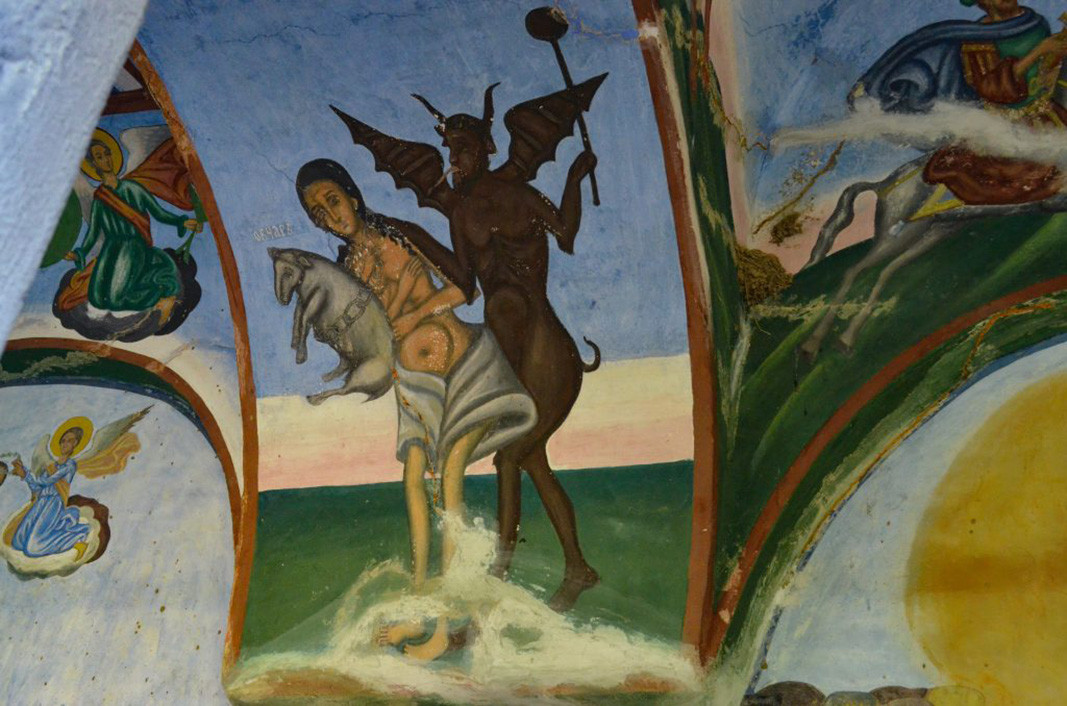
Located near the village of Gega, the Churilov Monastery St. George is another spiritual gem in the Petrich region. Believed to have been founded in the 14th century, the monastery is known for its rich history and distinctive frescoes. Surrounded by the untouched natural beauty of Bulgaria’s southwest, it remains a tranquil place of worship and reflection.
With its rich history, stunning landscapes, and spiritual significance, the Petrich region offers an unforgettable experience for travelers seeking a deeper connection to Bulgaria’s past and natural heritage