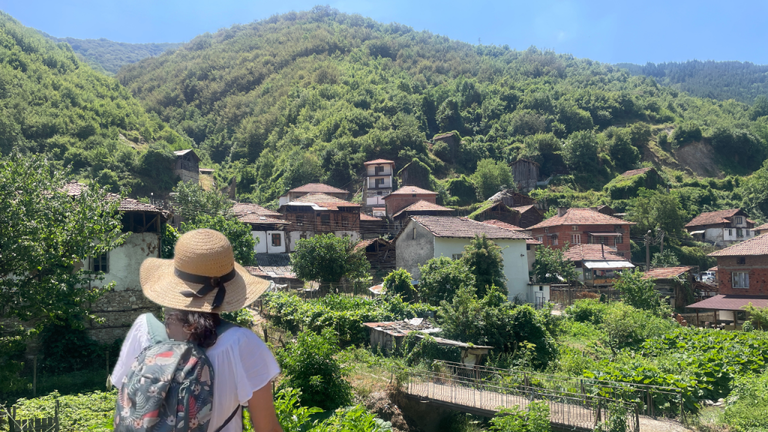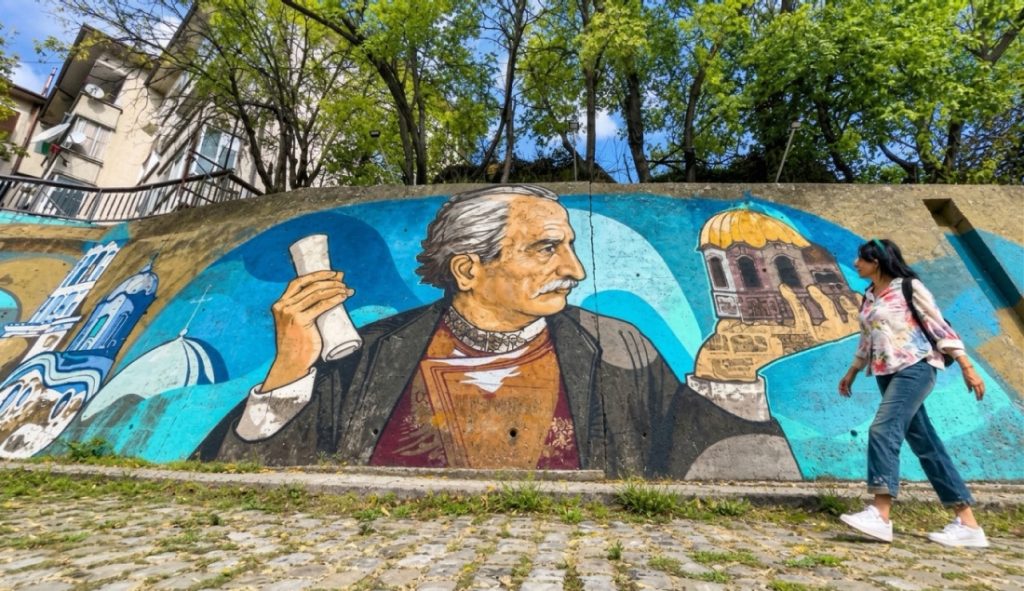
Nestled in the heart of the Balkan Mountains, in the very center of Bulgaria, lies a hidden gem that most international tourists miss. Just a short drive from the old capital Veliko Tarnovo, Dryanovo is a favorite detour for travelers seeking an authentic escape – a small, peaceful town surrounded by breathtaking nature, deep canyons, and a rich history that dates back thousands of years. If you want to experience the authentic soul of Bulgaria, away from the crowded tourist traps, this is the place to be.
To understand why this town is so special to us, Bulgarians, you need to know one name: Kolyo Ficheto. He is the most legendary self-taught architect in Bulgarian history, a genius who built churches, bridges, and public buildings all over the country in the 19th century. And Dryanovo is his birthplace. So walking here is like walking in the footsteps of a national hero.
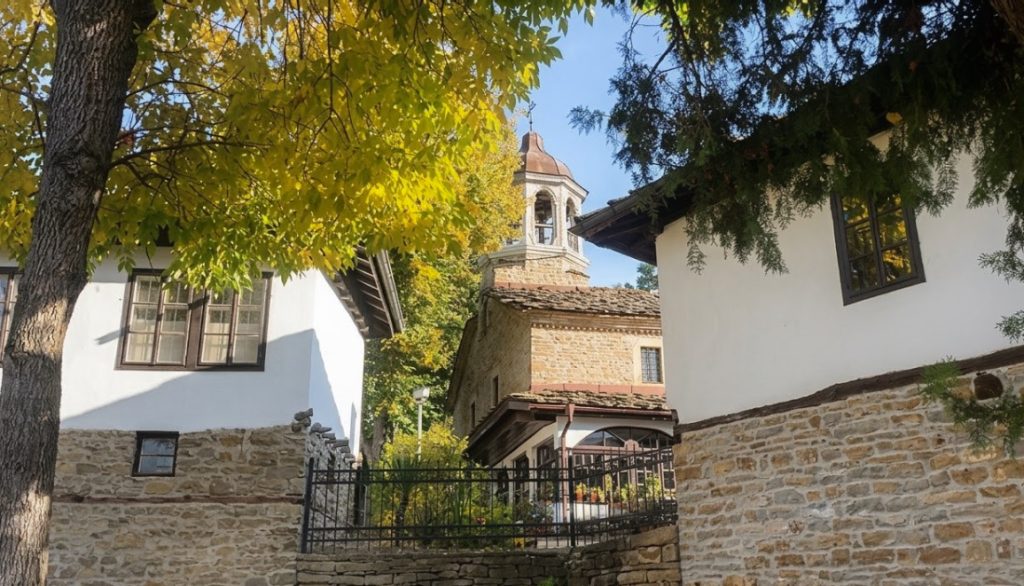
But Dryanovo is not just about history. It is a perfect destination for a weekend getaway, offering a unique blend of spiritual heritage, stunning landscapes, and outdoor adventure.
History is truly alive here. Not only in the charming streets but also up in the mountains, specifically in a nearby cave that gained world fame for its 45,000-year-old finds. And what about the Dryanovo Monastery, which welcomes more visitors than the town itself! Here is my personal guide to the best sights in Dryanovo and the surrounding area.
🎬WATCH THE VIDEO REPORT
🎥 Prefer watching to reading? 🍃 I tried to capture this entire journey, my encounters with the locals 👋, and all those emotions that cannot be described in words 📸 in a special short film.

How to get to Dryanovo – by car or train
Dryanovo is located 21 km northwest of Gabrovo and 28 km from Veliko Tarnovo. The town is a little over 200 km from Sofia – it took us about 3 hours by car via the Hemus Highway. Unfortunately, there are no direct bus lines from the capital to Dryanovo – the alternative is either a transfer from Veliko Tarnovo or taking the train.
 Also note: there is no direct train from Sofia to Dryanovo. However, the train running on the Ruse – Gorna Oryahovitsa – Stara Zagora line stops at its railway station. If traveling from Sofia, a convenient, albeit slow option, is to take the train from the Central Station to Gorna Oryahovitsa and transfer to Dryanovo there. Check the BDZ timetable
Where to stay in Dryanovo – hotels and guesthouses
If you are planning a weekend in Dryanovo, you will be pleasantly surprised. Despite being a small town with only 5,500 permanent residents, the accommodation options are unexpectedly many. Dryanovo has 4-5 town hotels with good conditions. We stayed in a 4-star boutique hotel with a pool, a relax zone, and a wonderful restaurant. Another option is to choose a guesthouse – you will find these not only in the town but also in some nearby villages. Most offer an authentic atmosphere and delicious homemade food.
See the best hotels in Dryanovo
And here you will find the addresses of guesthouses in the Dryanovo area
 Back in time – the spirit of the Bulgarian Revival
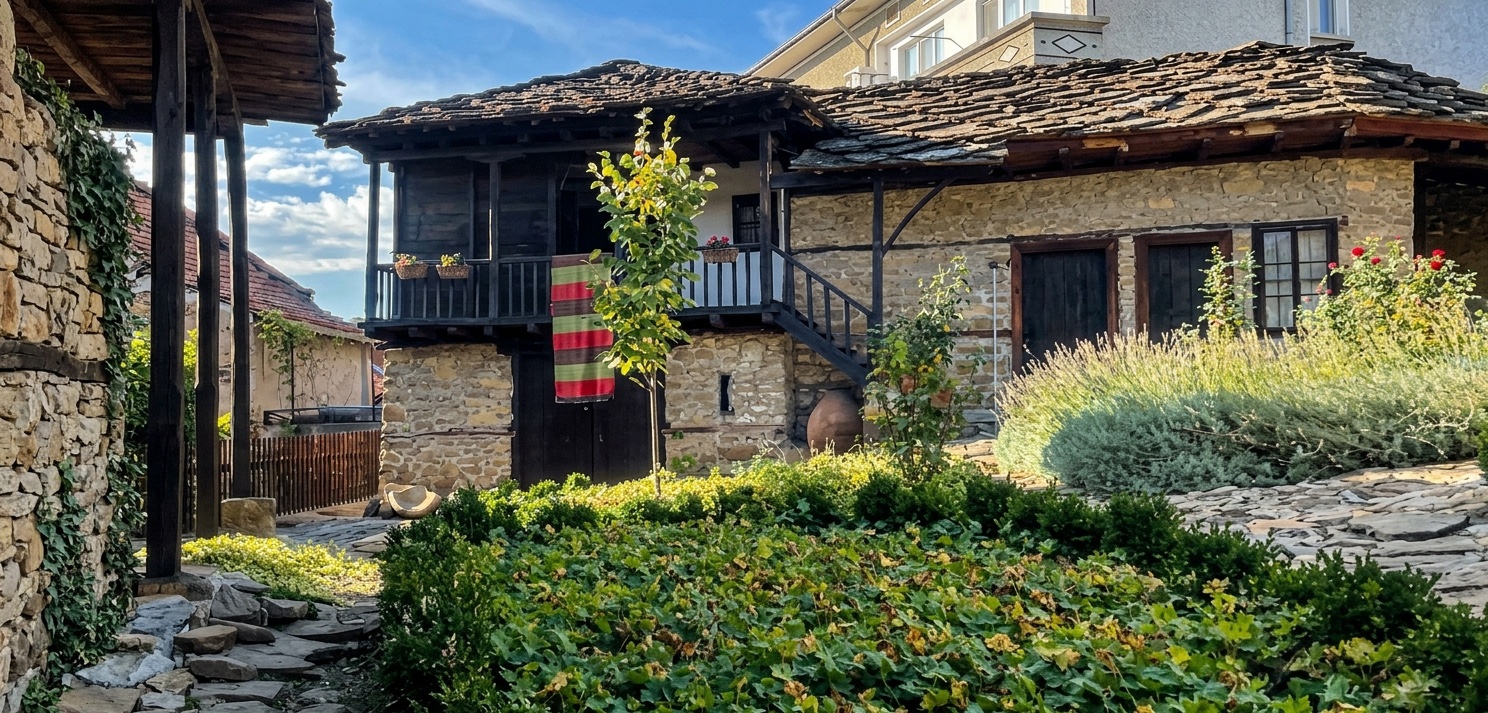 Back in time – the spirit of the Bulgarian Revival
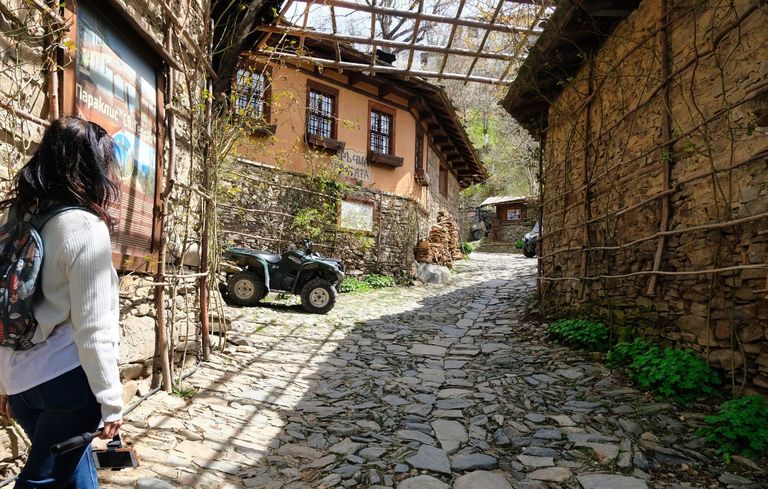
It turns out that in the past, Dryanovo had beautiful old architecture, but a large part of it disappeared irrevocably. The reason? Industrialization. After the Liberation, the town experienced a real boom. A large tobacco factory appeared here, and later the first railway carriage factory in Bulgaria. To make way for new enterprises, locals demolished the old wooden buildings typical of Dryanovo and erected new, supposedly more functional brick buildings in their place.
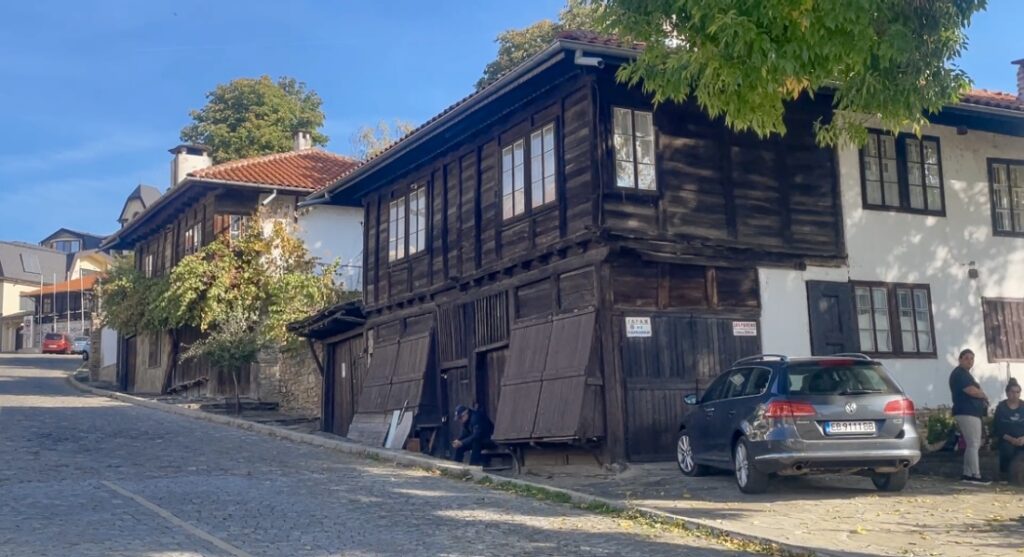
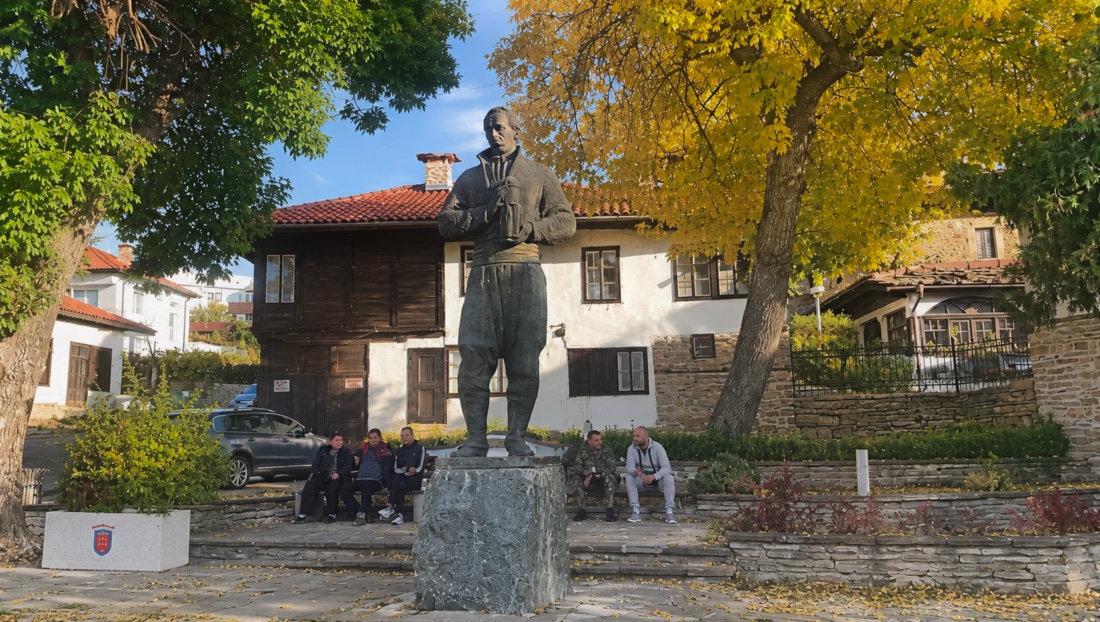
A sad example of this is the fate of Kolyo Ficheto’s native home. His house was small and modest, just like him. But in 1934, it was demolished to build a soap factory in its place. The owner later repented with the words: “If I had known that Ficheto would become so famous, I would not have demolished it!“. Despite everything, many Revival houses have survived in the town. Our weekend in Dryanovo began in the Giley Quarter, which has preserved its authentic atmosphere from the mid-19th century, specifically from Kolyo Ficheto Square with the master’s sculpture and the special museum dedicated to him.
Top sights in Dryanovo for a weekend
The Museum dedicated to Kolyo Ficheto
The building was specially designed to present the life and work of the genius master. But the most interesting are the exhibited models of some of his buildings.
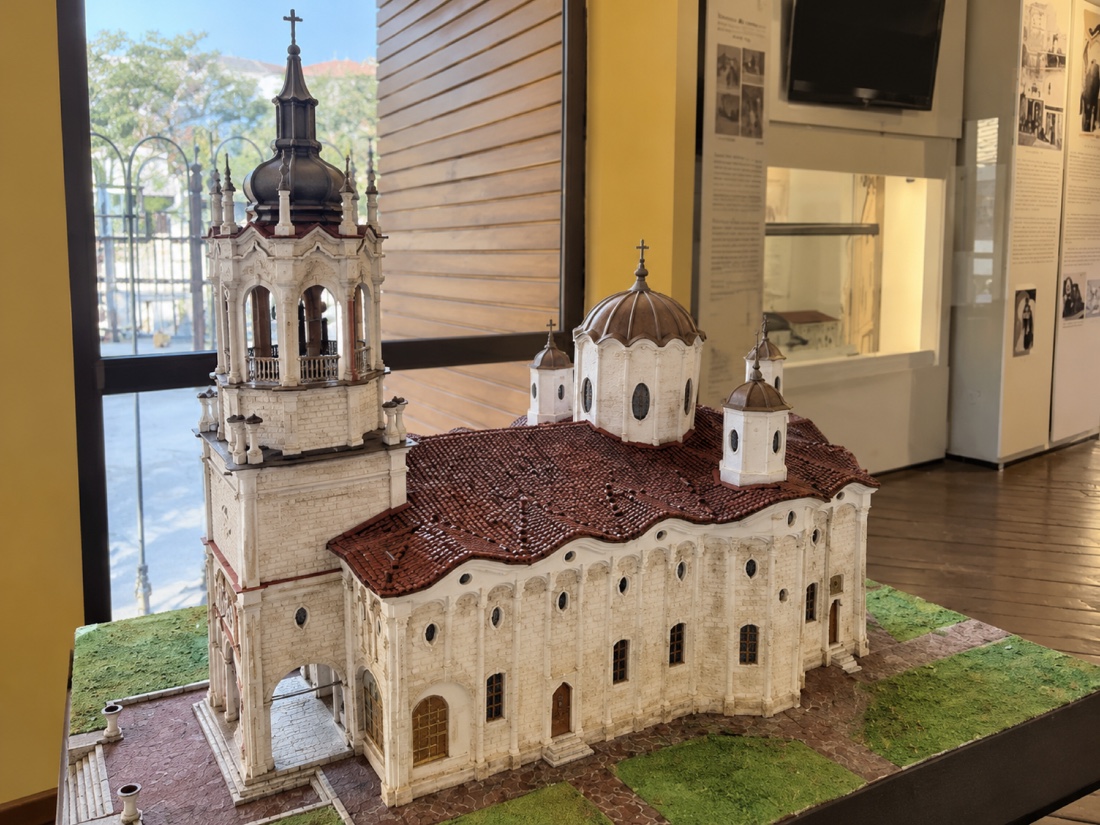 With curiosity, I examined the miniature copies of the Church of St. Constantine and Helena, the Hadzhi Nikoli Inn, the Cathedral of the Nativity of the Virgin in Veliko Tarnovo, the Holy Trinity Church in Svishtov, and the models of his famous bridges – the Belene Bridge, the Sevlievo Bridge, the Covered Bridge in Lovech, and other iconic sites scattered throughout Bulgaria.
The interesting thing is that Ficheto was self-taught; he never attended an architecture school. He mastered the craft by apprenticing from the age of 10. And another interesting detail – the Master was a hardworking and modest man. That is why there is not a single photo of him during his lifetime. His only photo is from his funeral in Veliko Tarnovo in 1881.
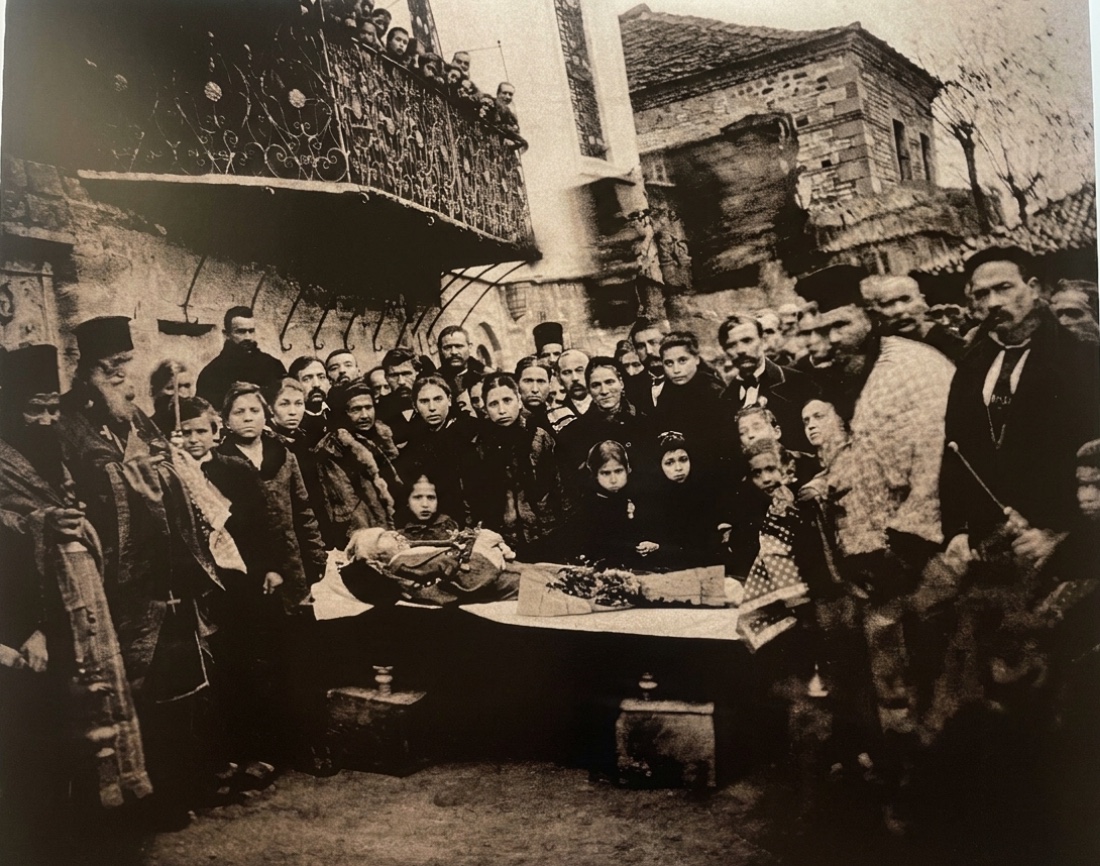
It was from the funeral photo, exhibited in the Dryanovo museum, that Bulgarian artists later recreated the image of Kolyo Ficheto in their paintings.
And another thing I learned in the museum. Kolyo Ficheto had 7 children, but none of them inherited his craft and building genius. Today his descendants number over 200 people.
Did you know…
… there is a legend that Kolyo Ficheto saved the Notre-Dame Cathedral in Paris? In 1866, the temple began to collapse. At that time, the governor of Ruse was Midhat Pasha – a French-educated man with warm connections in France. And the pasha sent Ficheto to help. Our master immediately discovered the cause – underground water. He diverted it and thus stabilized the cracking walls. But no matter how much the French urged him to stay, he refused and returned to finish the Belene Bridge. A beautiful legend, isn’t it?
The three sites of Kolyo Ficheto in Dryanovo
The Master left over 50 sites throughout Bulgaria, but only three of them are in Dryanovo. These unique examples of his architectural genius are reason enough to plan your weekend in Dryanovo!
St. Nicholas Church
This is one of his first independent constructions. It is here that Ficheto clearly demonstrated his own architectural style for the first time.
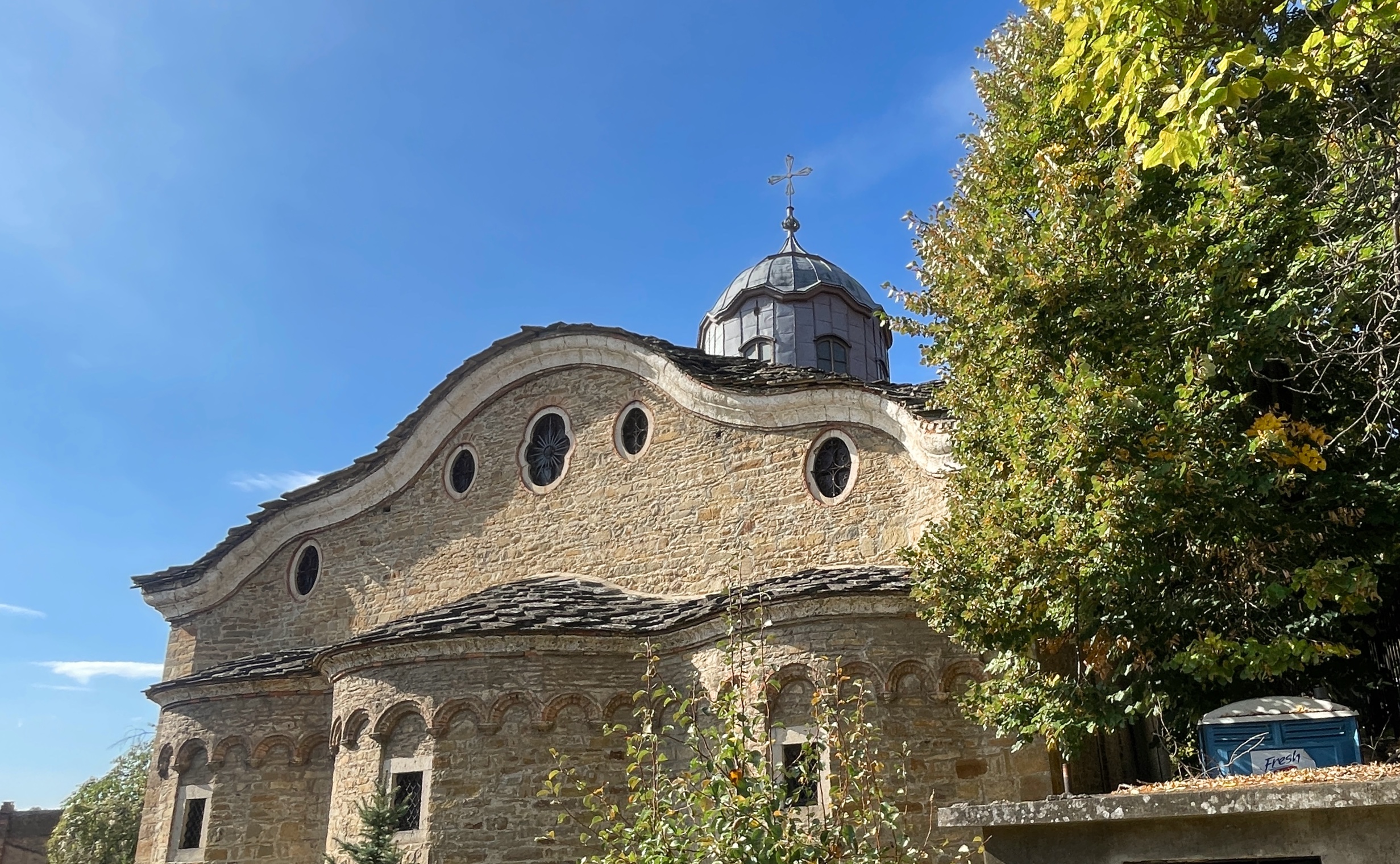
The most recognizable element in it is the so-called “double Ficheto yoke” – the wave-like pediment that became his trademark and later appeared in other buildings of his.
It was because of St. Nicholas Church that the self-taught man from Dryanovo officially received the title of “Master.” 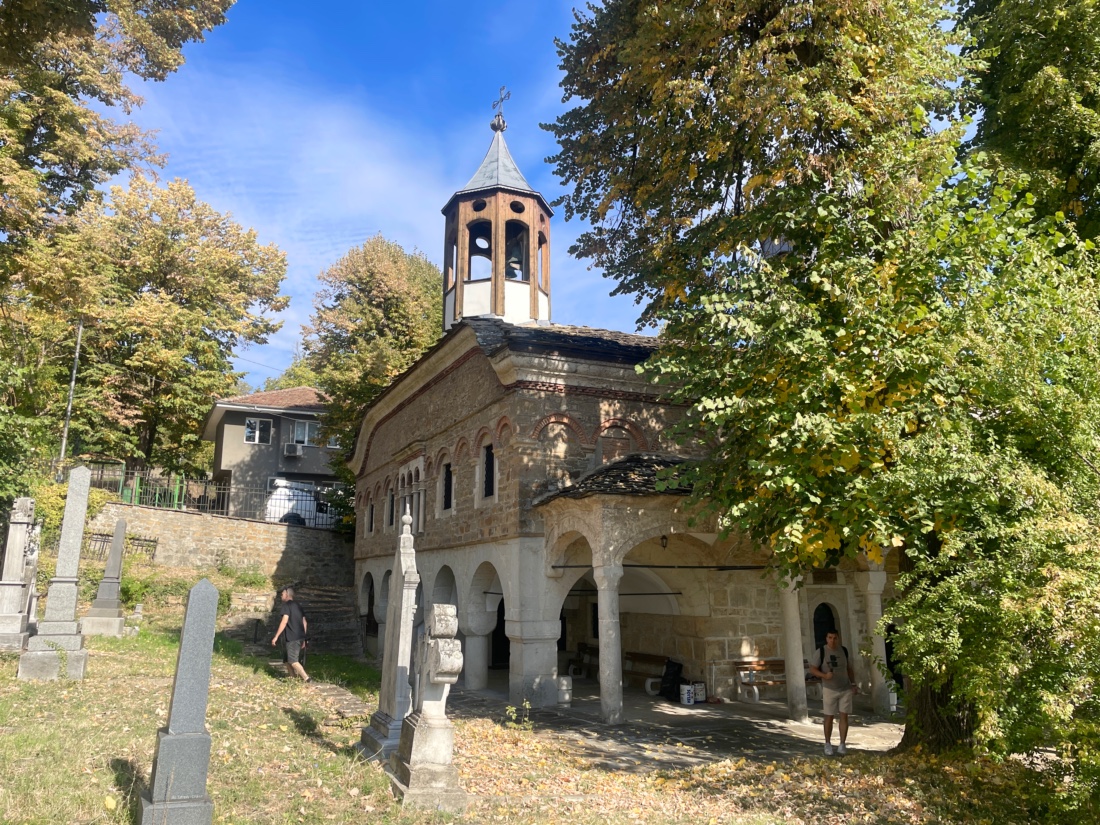
The interior features the smooth curve of the two-story balcony. Because of these smooth lines and organic curves, some call Ficheto the “Bulgarian Gaudi” – although our master worked decades before the Catalan architect.
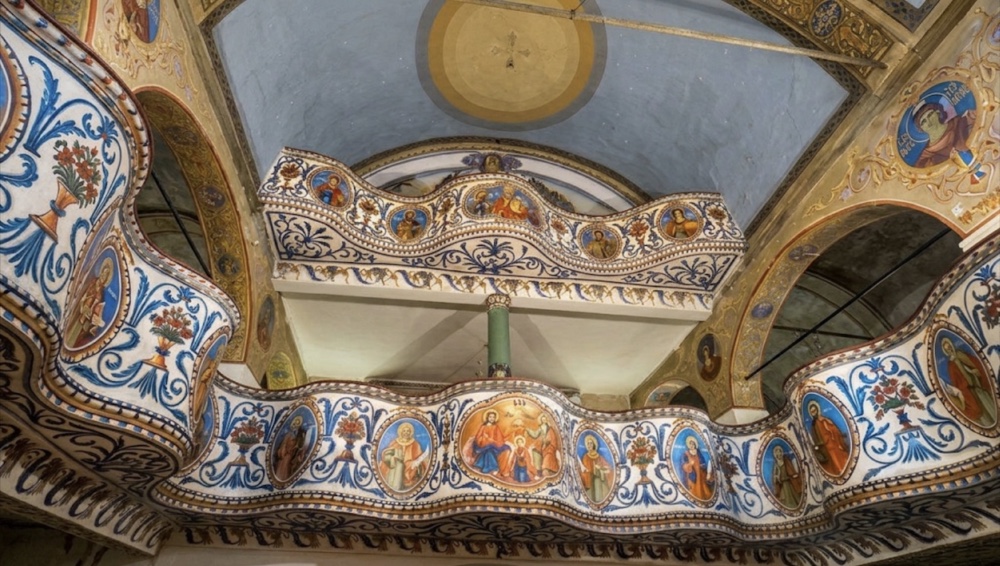
In addition, in St. Nicholas, Ficheto for the first time integrated the bell tower directly into the church building rather than as a separate structure. And while most masters at that time worked from drawings, Ficheto assembled models from wax and sticks before starting construction.
The Bridge of Dryanovo
This is the only bridge by Kolyo Ficheto preserved in its original authentic form to this day. All his other bridges have been repaired or destroyed over the years.
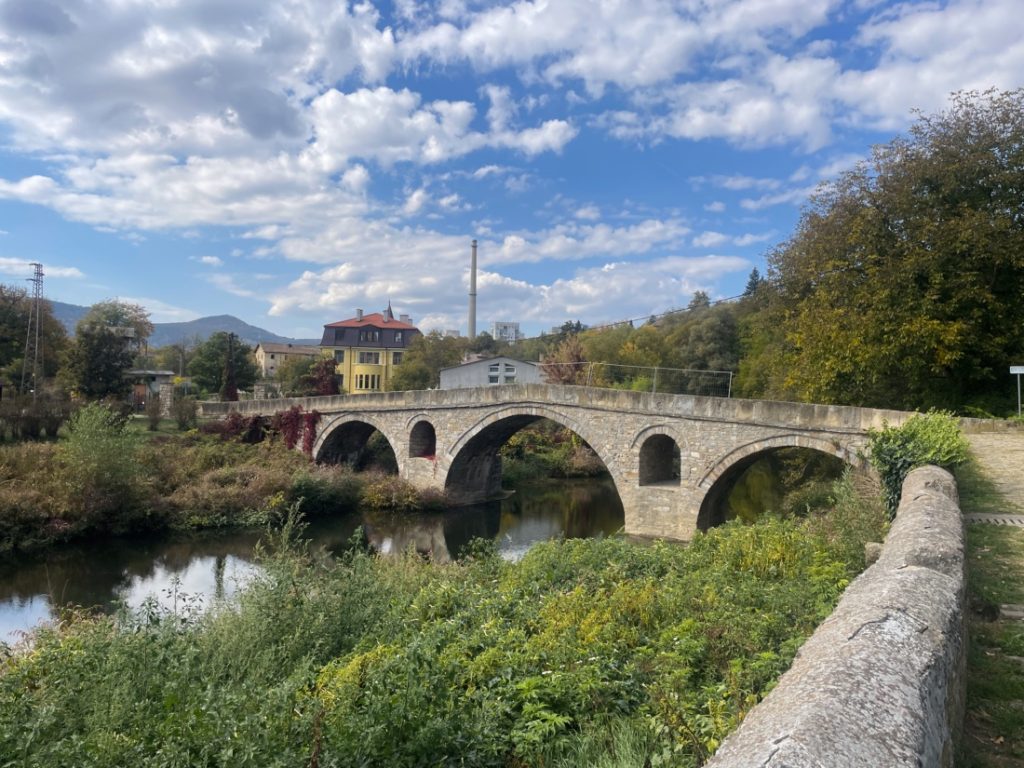
The bridge in Dryanovo, however, is intact – exactly as the Master built it. They say that after completing the bridge in 1861, Ficheto demonstrated its strength by standing under the arch together with his assistants and ordering heavily loaded carts to pass over it.
The Ikonomova House
In the center of Dryanovo, we come across another masterpiece of the self-taught builder – the Ikonomova House. From the street, it looks quite ordinary, but if you want to experience its true beauty, enter the courtyard and look up at its triple-curved bay window.
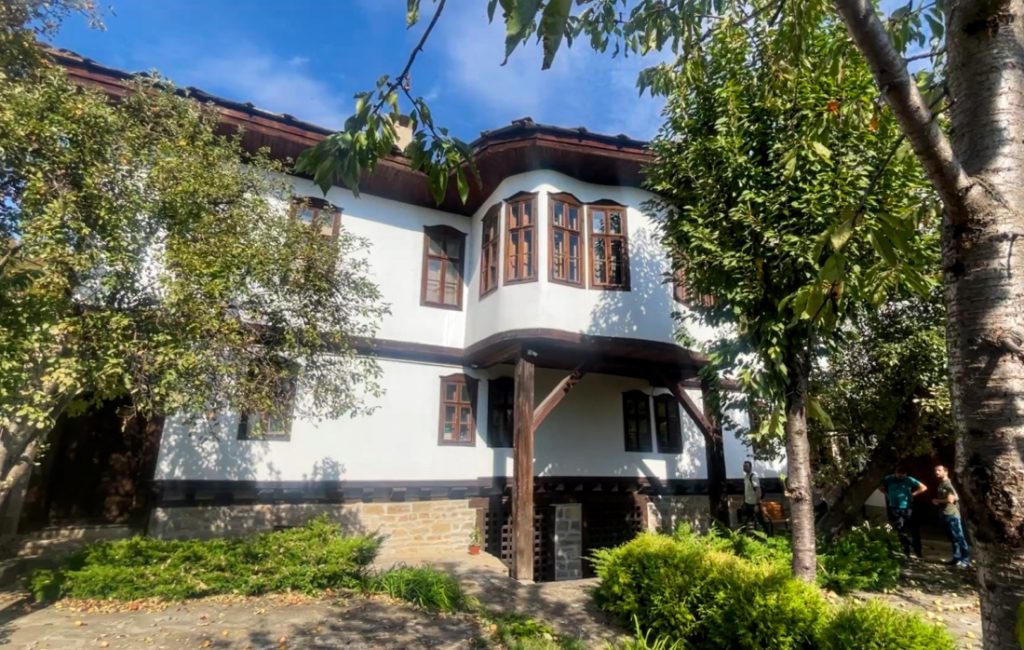
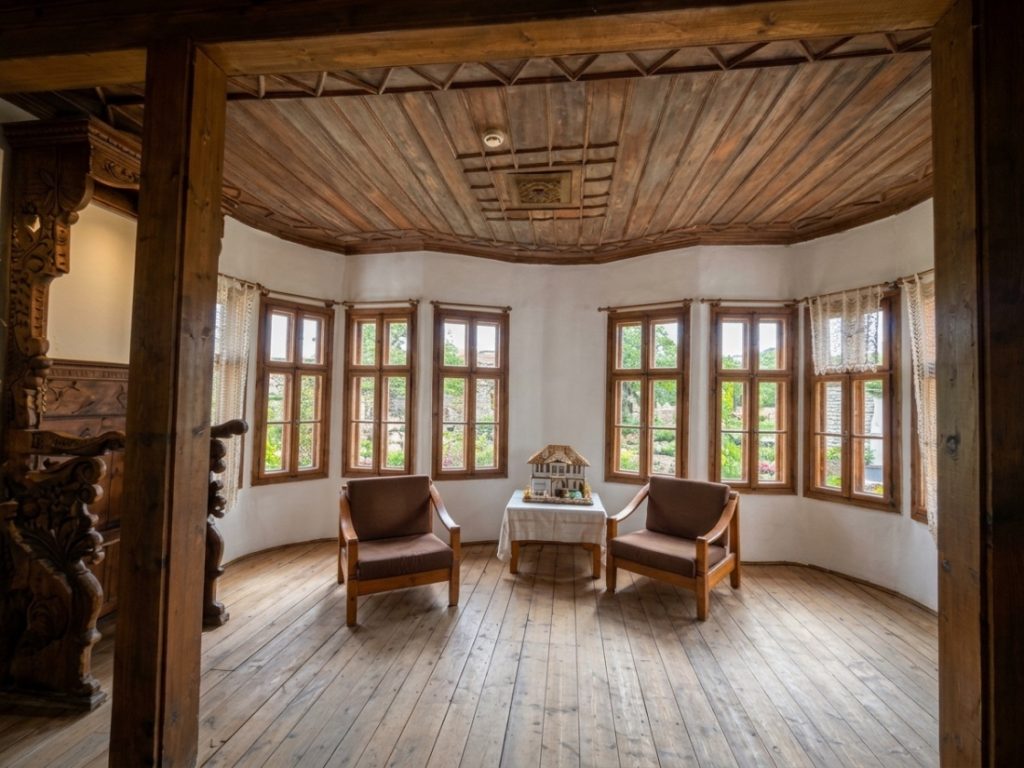 This is the only well-preserved house by Ficheto, along with the “House with the Monkeys” in Veliko Tarnovo. Inside, it is unusually spacious and has beautiful wood carvings. Today it houses the exhibition “Revival Church Art” – with over 150 icons, wood carvings, and frescoes from the Dryanovo region.
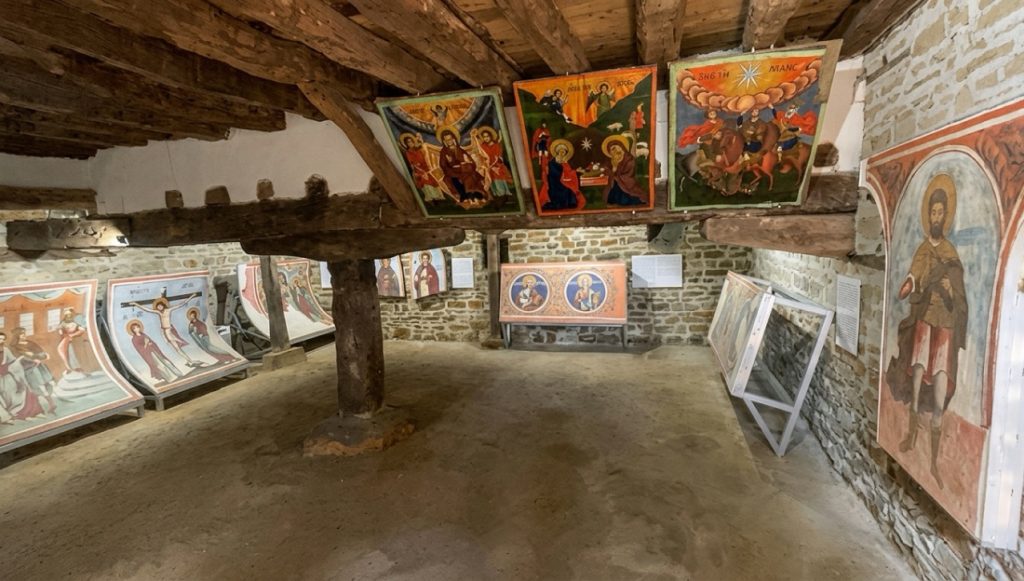
And in the basement of the house, you can see the frescoes saved from destruction and restored from the St. John the Baptist Church in the village of Kalomen, which today has about 10 inhabitants.
What else to see in Dryanovo
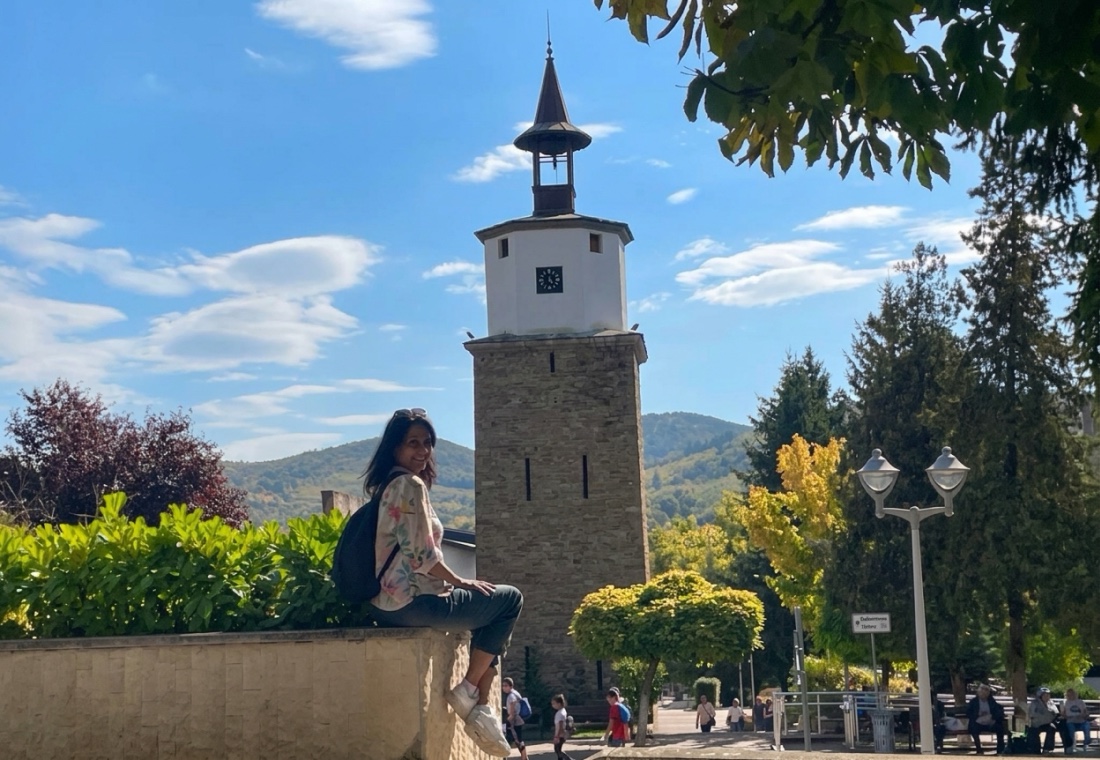
If you love architecture, here are more sights in Dryanovo located immediately next to the Ikonomova House. From its courtyard, you can see the Clock Tower from 1778 – one of the oldest in Bulgaria.
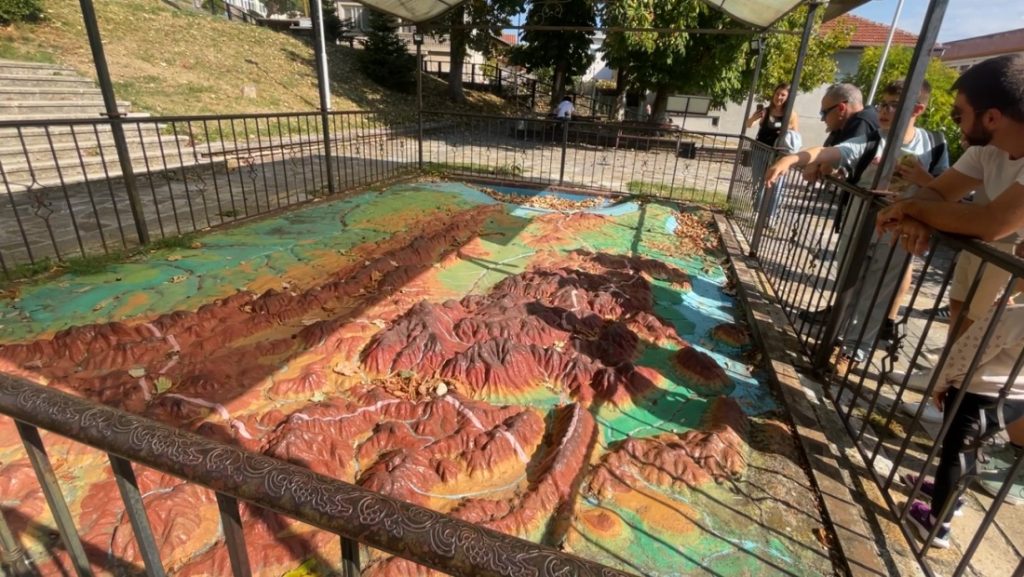
Opposite, we viewed the first relief map of Bulgaria – the work of a local geography teacher and her students. It was made in 1962 from cement, and real water used to flow along its relief rivers, emptying into the Black Sea.
The Lafchieva House
The beautiful three-story wooden building in the Giley Quarter is also known as the “House Without Nails” and is recognized as a true architectural masterpiece. Master Kolyo Gaydardzhiyata created it in 1840, investing all his skill to prove that he could erect a solid, massive building without using a single nail or iron clamp.
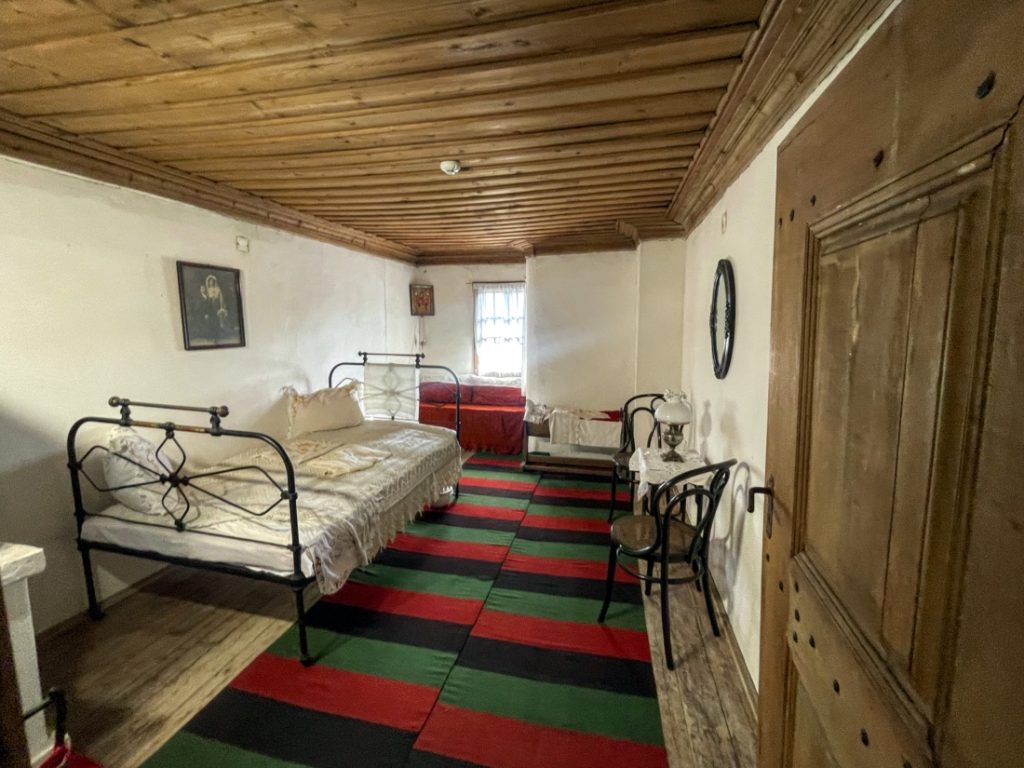
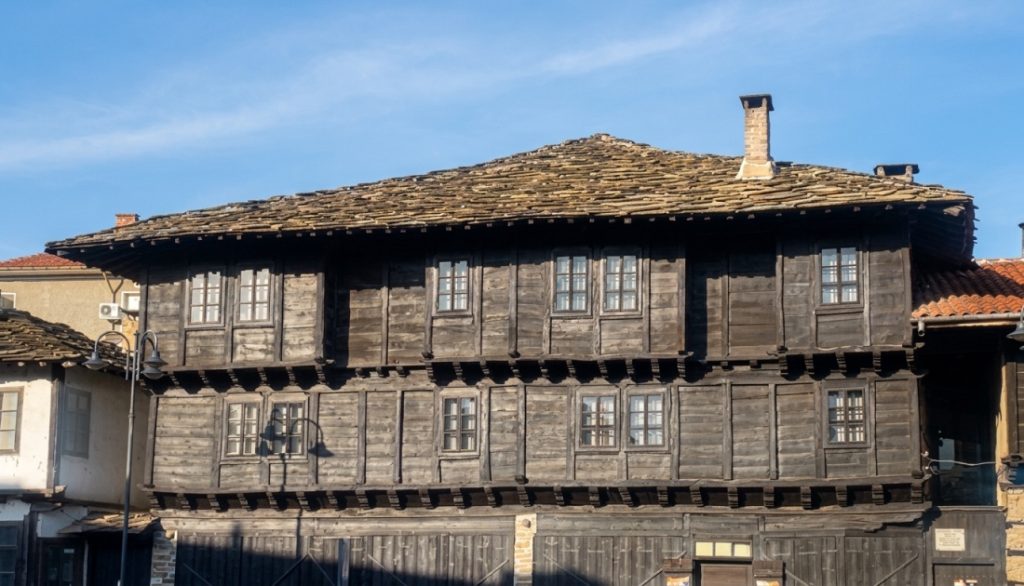 For this purpose, he resorted to wooden dowels and pegs. Today the house is turned into a museum. Inside, we get acquainted with the lifestyle of a typically wealthy family in Dryanovo during the Revival. An interesting collection of local traditional costumes is also presented, woven with elements of medieval boyar ornamentation.
 And a pleasant surprise. On the ground floor of the Lafchieva House, a little treasure is exhibited – a rich collection of minerals. It presents priceless exhibits not only from Bulgaria but also from distant and exotic destinations such as Brazil, Madagascar, Mozambique, Syria, China, etc. The exhibition is a donation from Ventsislav Penev – a local caver who has been collecting these natural beauties for 20 years. This is one of the newest and most interesting sights in Dryanovo, which is worth seeing.
Holy Trinity Church
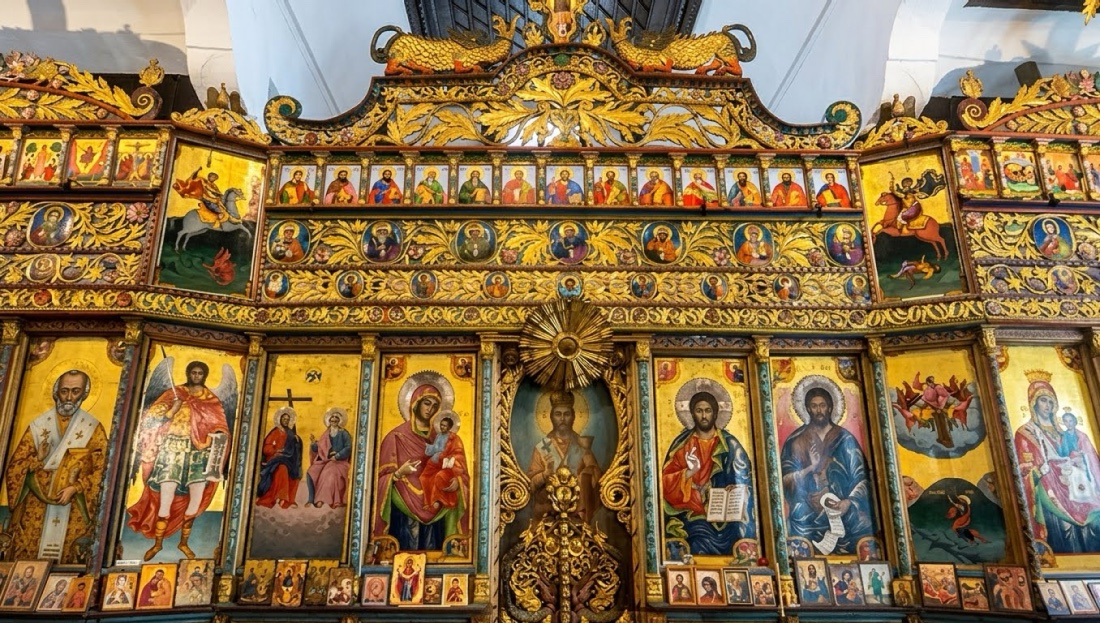
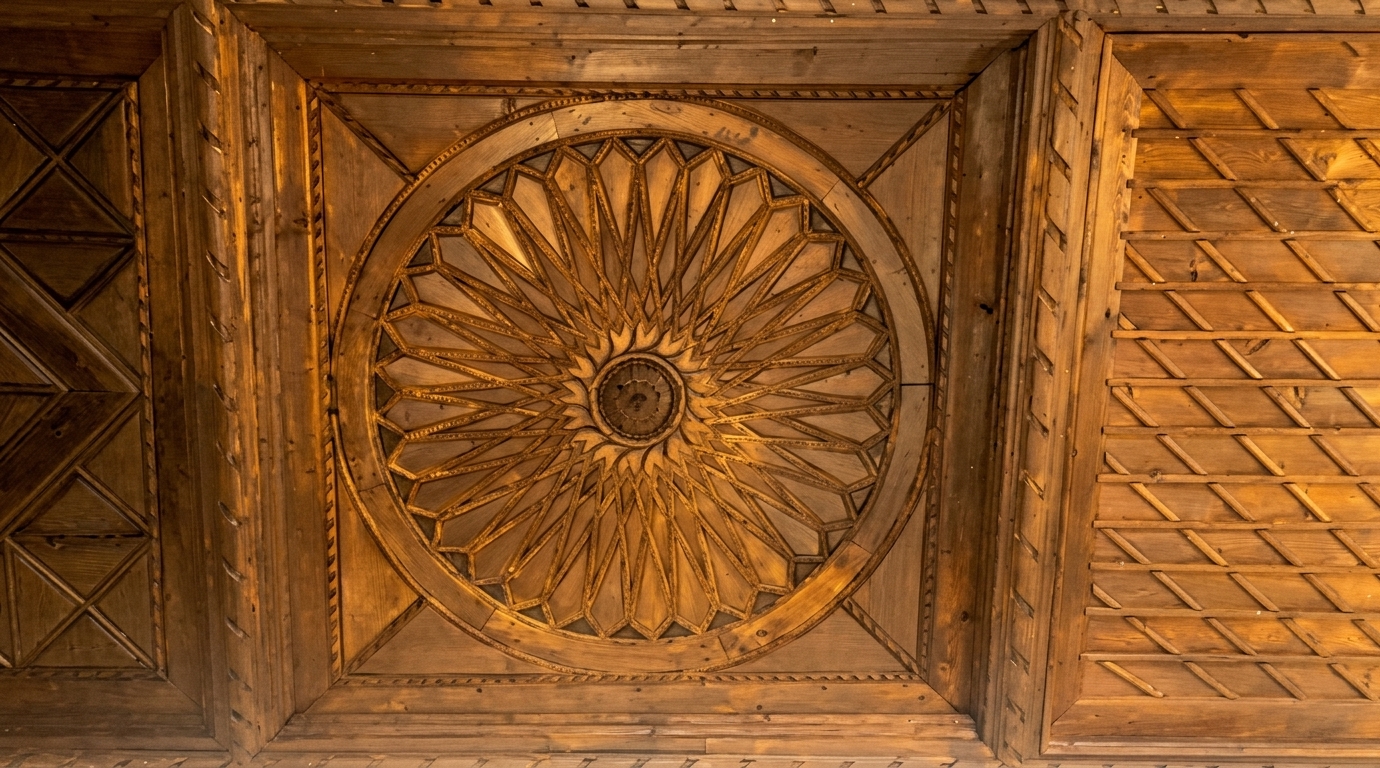
Dryanovo has three churches. The oldest is “Holy Trinity,” erected between 1845 and 1847. And the most curious thing about it is its incredible wood-carved ceiling with the beautiful “sun” motif. It turns out that the carving is almost identical to the one in the Daskalova House in Tryavna. And this is no coincidence – both are the work of the same master, Ivan Denev Mitev from the Dryanovo village of Buchukovtsi.
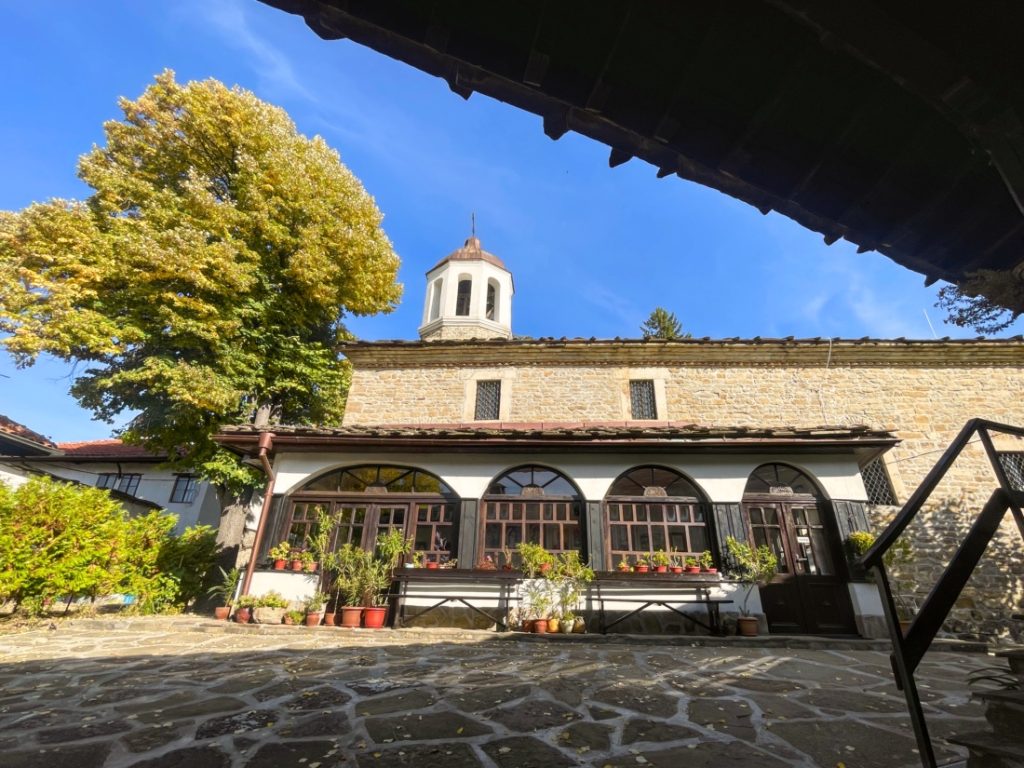
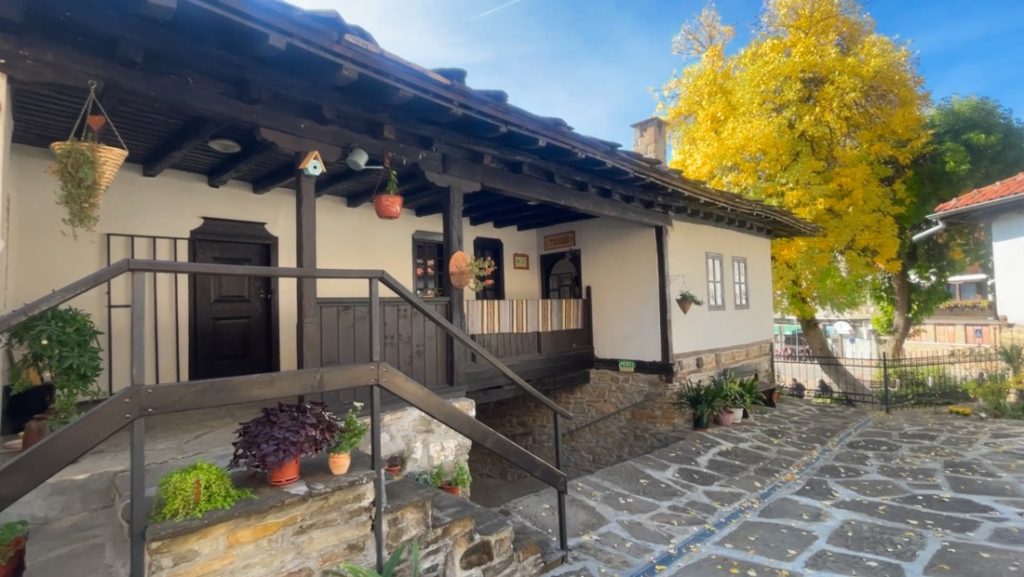
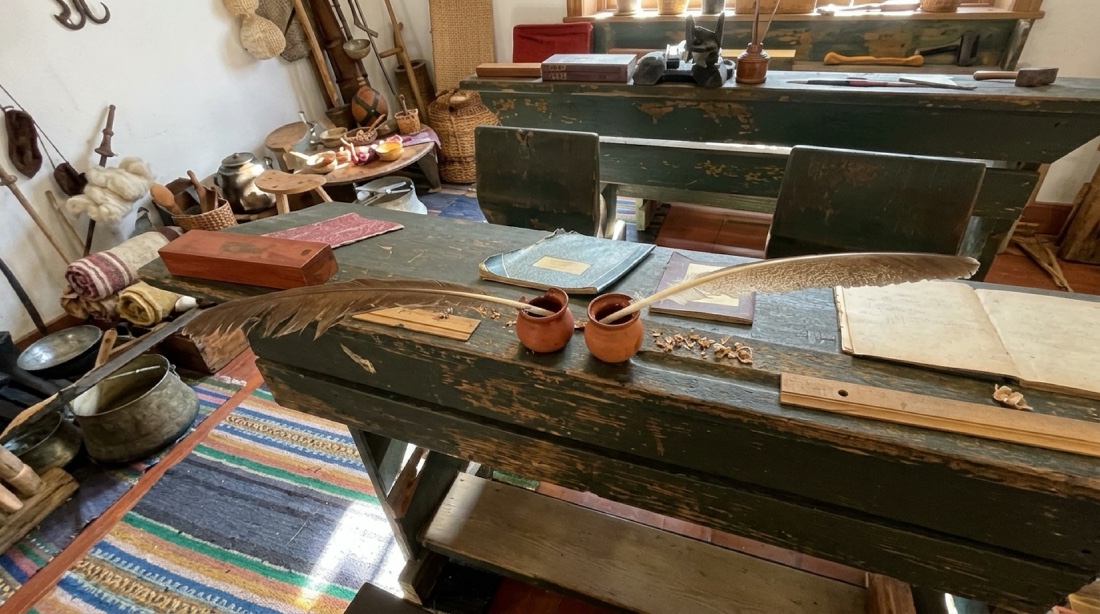
I decided to also look at the cell school in the churchyard. This is where tourists linger the longest. Everyone wants to sit on the authentic wooden benches, leaf through the old textbooks, take pictures with the inkwells, and feel like a child again!
Hiking ideas around Dryanovo
After exploring the main sights in Dryanovo, it was time to hit the trails of the Dryanovo Balkan Mountains. The surroundings offer plenty of route options, and most of them start from the Dryanovo Monastery, located about 6 km from the town.
Dryanovo Monastery “St. Archangel Michael”
This is actually the liveliest place around, and most of the time it is full of people. Interestingly, most tourists come only for the monastery and often bypass the town itself. But the truth is that a fulfilling weekend in Dryanovo must include both – the holy monastery and the charm of the old town streets.
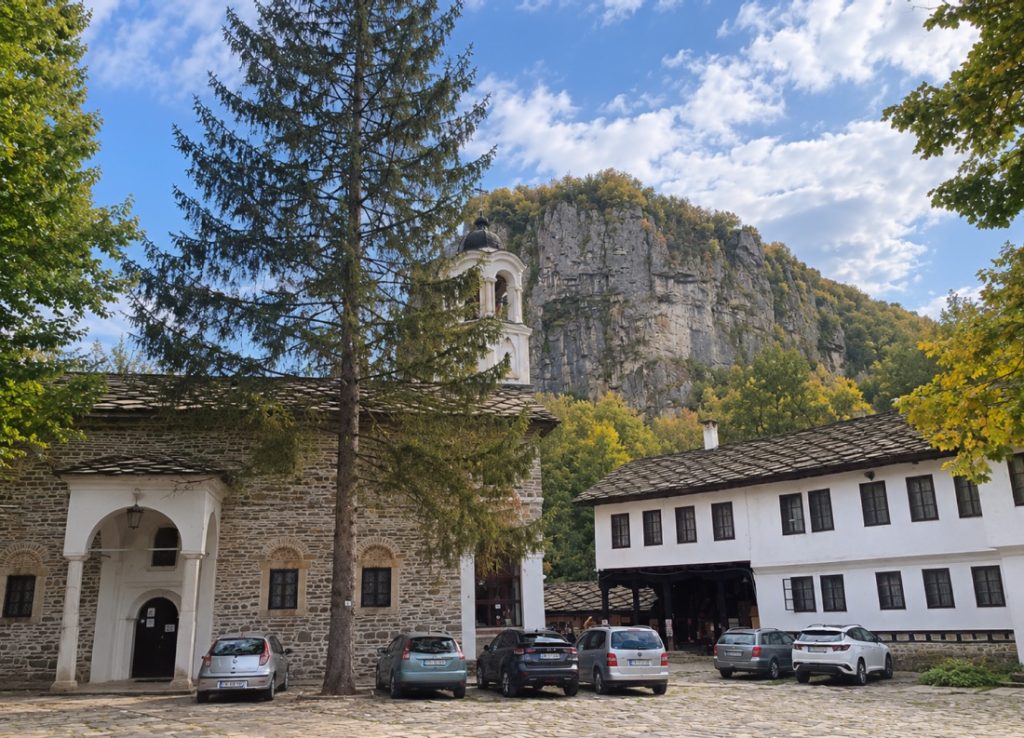
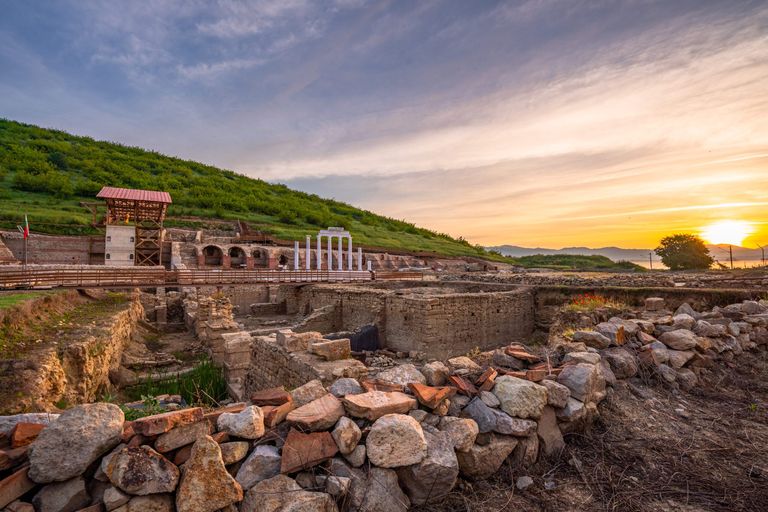
The monastery was founded during the reign of Tsar Kaloyan (1197–1207) and has been burned down three times. The monastery’s ossuary keeps the mortal remains of the rebels who died in 1876 during the 9-day Dryanovo Epopee. And in the adjacent museum hall, the skulls of some of them are displayed. We viewed the archaeological collection with millennia-old finds from the fortresses and caves nearby with great interest, and eagerly headed towards the great celebrity of Dryanovo and the region:
Bacho Kiro Cave
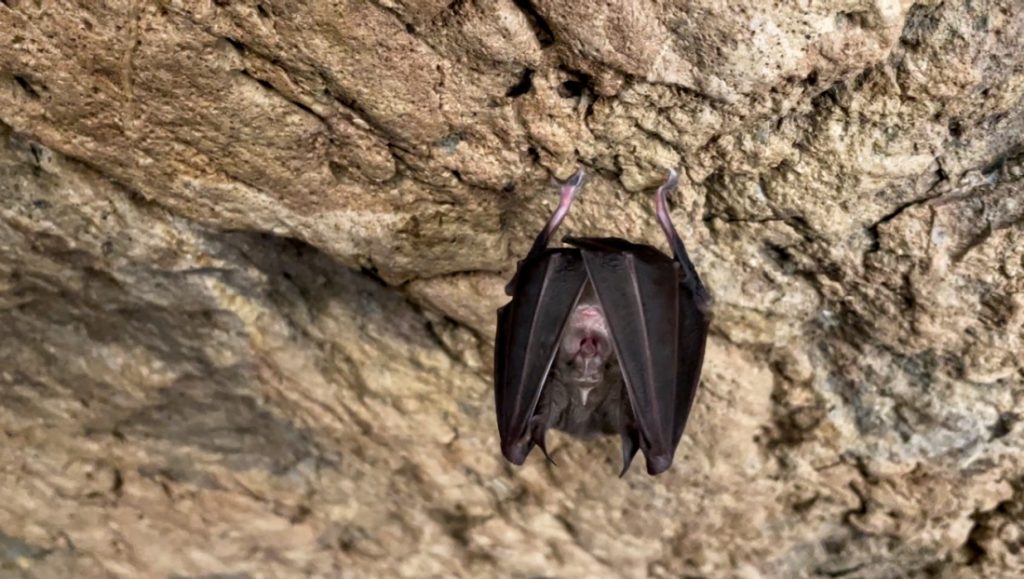
Just 300 meters from the monastery, along a pleasant shaded path, you reach the world-famous cave. You enter with a guide every hour. There is a short route – half an hour, and a long one, which lasts an hour. We chose the long one. Bacho Kiro Cave is a four-story labyrinth of galleries with a total length of over 3,600 meters. The temperature inside is constant – around 13 degrees. So definitely bring a jacket, even in summer.
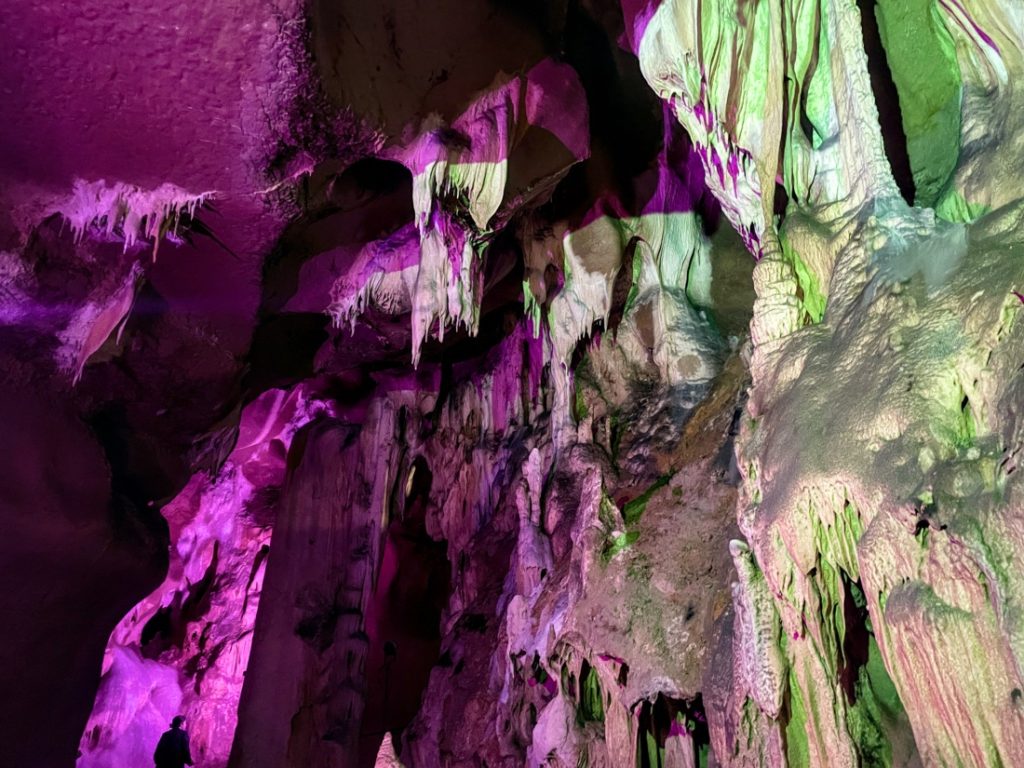 Years ago, traces of Homo sapiens were discovered here. Researchers descended 3.5 meters down and came across pieces of human skulls and a molar. The remains were sent to Germany, where DNA analysis proved they belonged to modern humans. One of the individuals is about 35,000 years old, and the others – about 45,800 years old. These are the oldest Homo sapiens bones found in Europe!
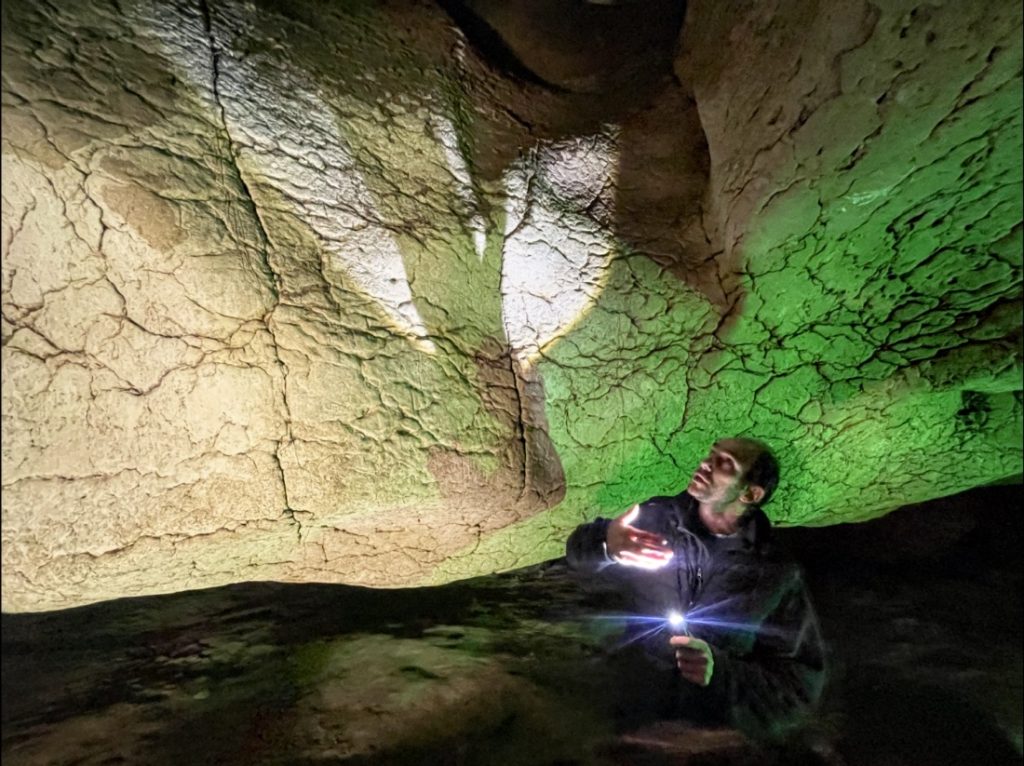
It is believed that its ancient inhabitants were among the first settlers who came from Africa to our continent. They used the cave as a natural shelter because of the constant 13 degrees inside. And one curious fact – the finds are yet another proof that Neanderthals and Homo sapiens lived side by side at the same time. Today, each of us carries about 2% Neanderthal DNA – a trace of our coexistence in the Balkans.
The Bench of Love
We emerged from the darkness of the cave and headed up the steep path located right at the cave’s entrance. After about 15-20 minutes of climbing, we reached the “Bench of Love” – perhaps one of the most romantic spots in Bulgaria! It is located on the rocks right above the Dryanovo Monastery, and the view is… breathtaking. See it ⤵️ !!!
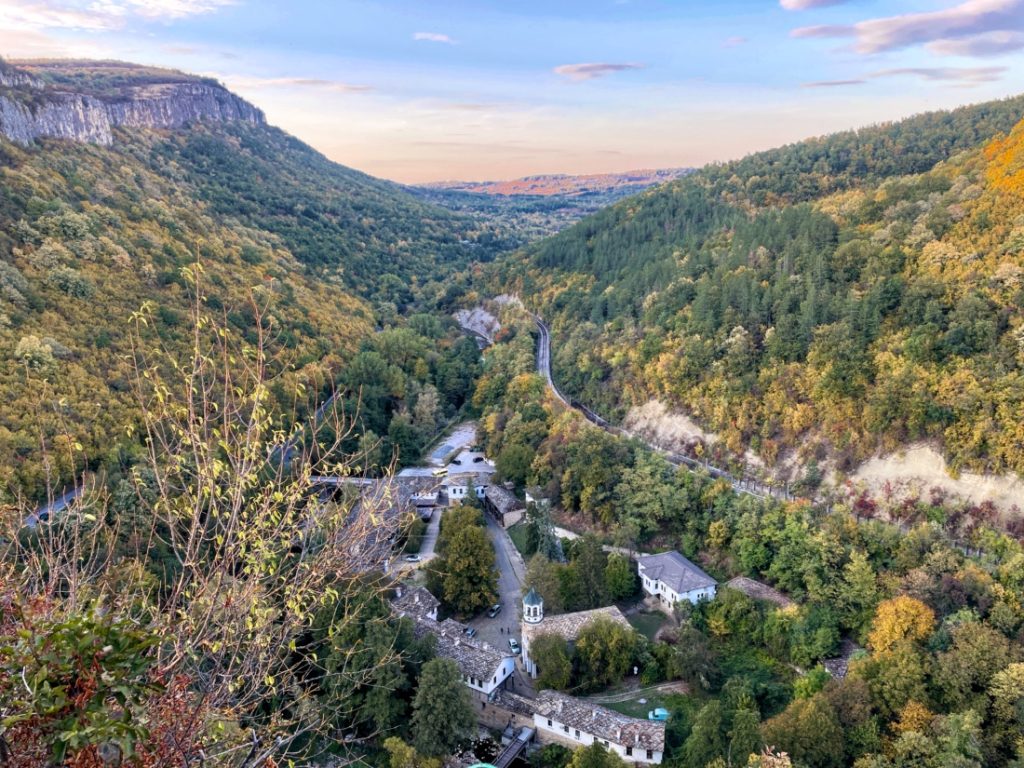 Even if you are not in love, you will fall in love instantly – with the panorama. For a long time, I contemplated the monastery, nestled in the distance like a small model of Ficheto’s work (no, it’s not his work!!) amidst the boundless green sea and majestic canyons. A wonderful experience!!!
The “Wild Cyclamen” Hike: Autumn in Dryanovo, Bulgaria
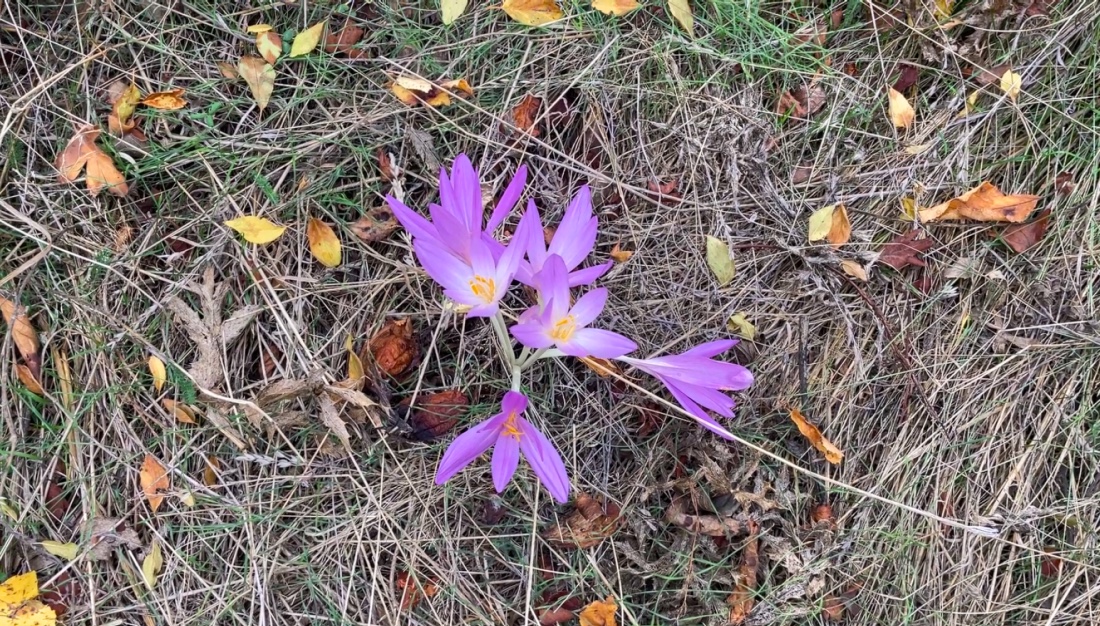
If you want to spend an active weekend in Dryanovo, spring and autumn are the best times! Every October, Dryanovo Municipality and the “Ludite Mechki” (Crazy Bears) mountain club organize a hike that coincides with the wild cyclamen season. This year, I joined the initiative too. As I climbed up hills and picturesque slopes, the purple heads of the flowers kept me company almost the whole time. Great beauty! Our group numbered around 80 enthusiasts – not only from Dryanovo but also from neighboring towns.
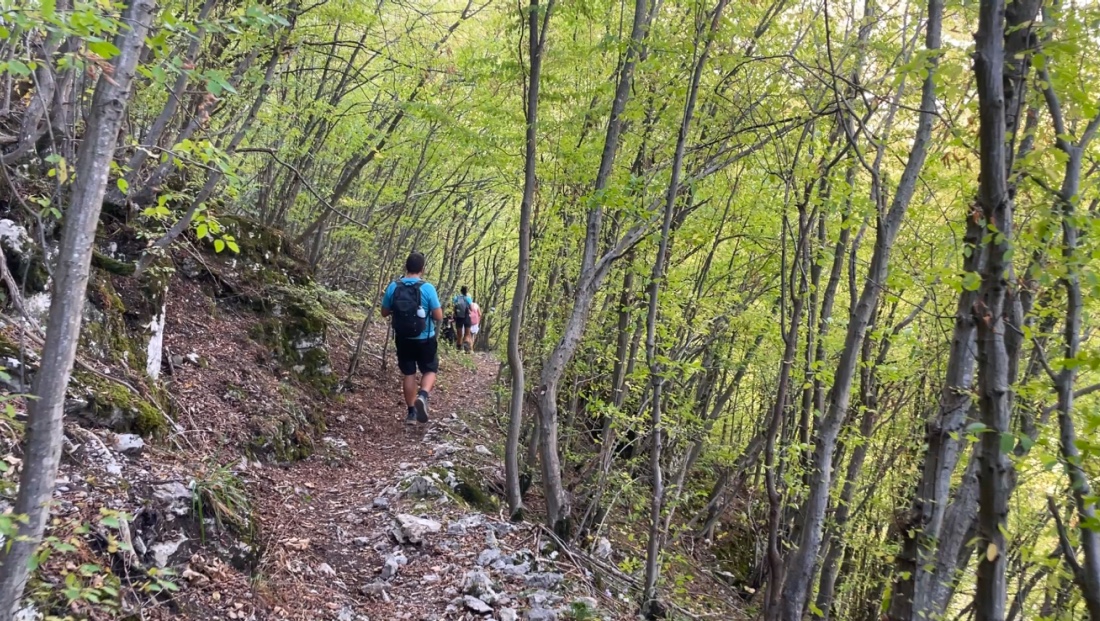
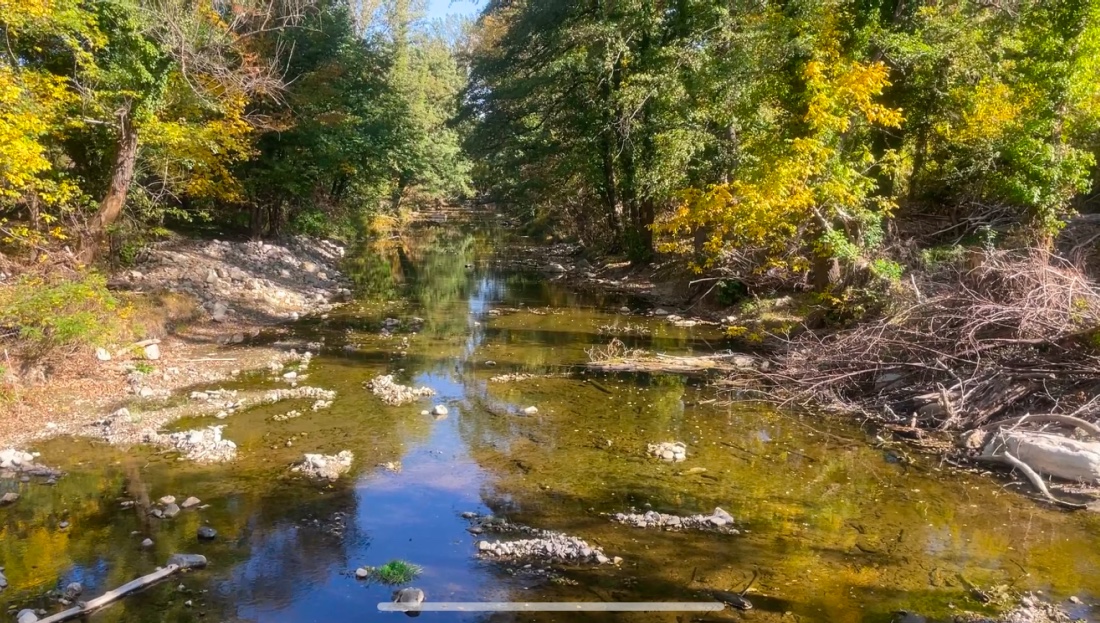
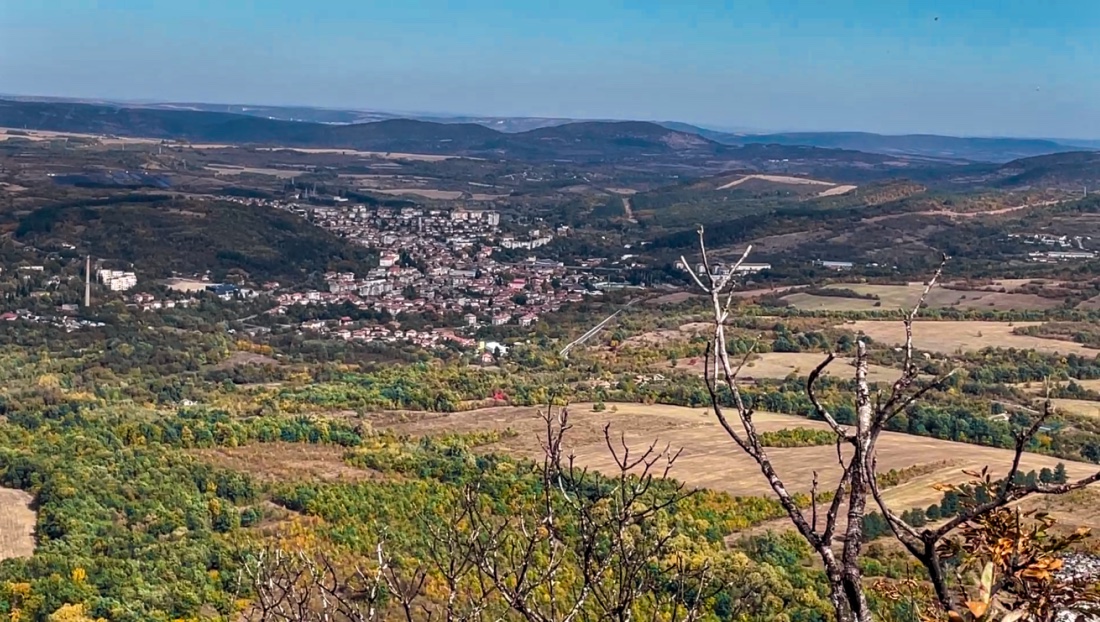
The length of the hike is about 15 km. We covered it in about 6 hours. We started from the center of Dryanovo, passed by the “Strinaва” campsite, and reached the Dryanovo Monastery. From there, the steep section began. The trail is well-marked in blue and white and leads to the Cross (Krasta), erected high above the surrounding canyons and rivers – a uniquely beautiful place with one of the best panoramas of the monastery nestled at your feet. Then, along the ridge, we reached the “Chukata” area, from where we glimpsed the Shipka Monument and the Buzludzha saucer in the distance.
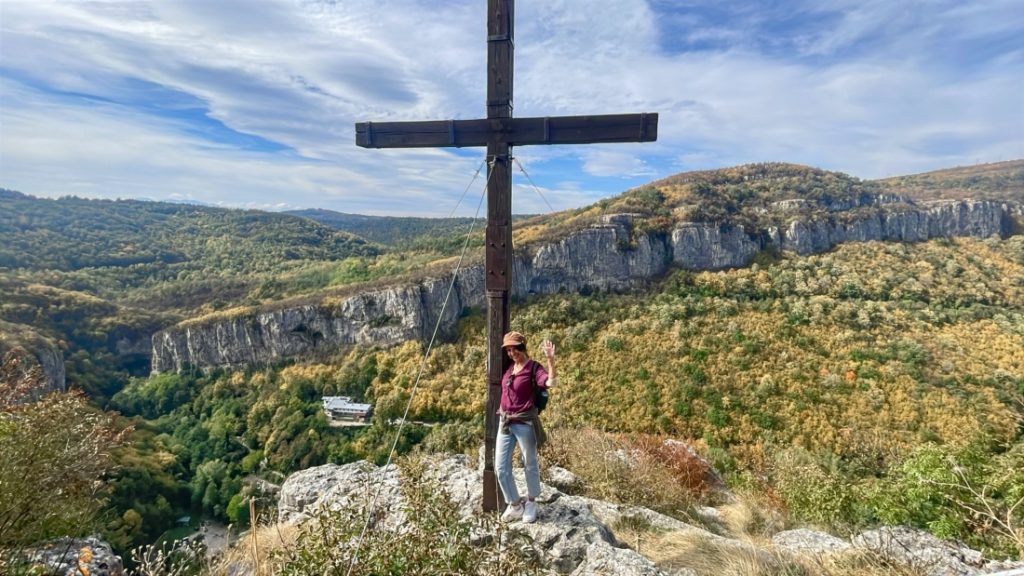 The route is of medium difficulty, but there is one steeper section. Good equipment is necessary. And since I am not an experienced hiker, I got a little tired. But the views and the contact with the nature of the Balkan Mountains filled me with positive energy for weeks to come.
Why Dryanovo is Worth a Weekend
Dryanovo turned out to be a real discovery – a town that doesn’t scream with advertisements but left an unforgettable mark on me. So if you are looking for an escape from the hustle and bustle, if you are looking for history, spirituality, and beautiful nature, a weekend in Dryanovo is exactly what you need. Go and let yourself be surprised!
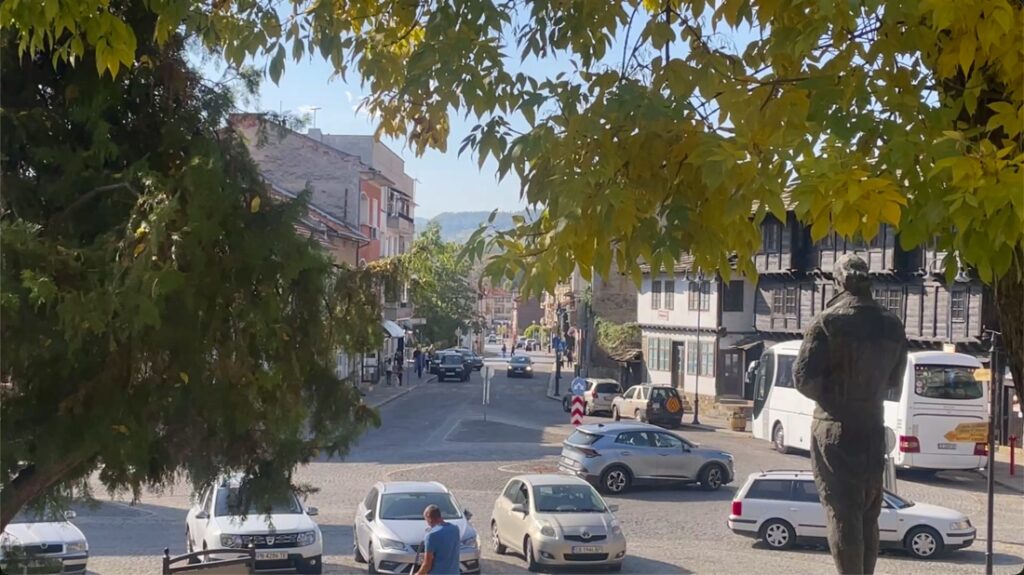
About 20 km south of Dryanovo, you can take a walk in Bozhentsi – a village with spirit and history
This article was prepared with the support of Dryanovo Municipality and Destination Dryanovo.
However, the impressions of the town and its surroundings are entirely my own!
If you liked this article, I’d love for you to support my work! Subscribe to my YouTube channel for short travel videos exploring the hidden gems of Bulgaria. Just follow the link ➡️➡️➡️ @VenetaNikolova